


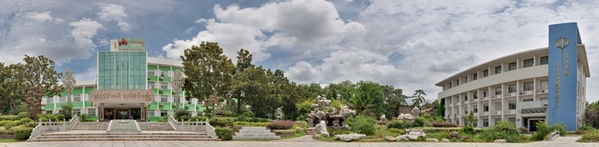
China National Hybrid Rice Research and Development Center
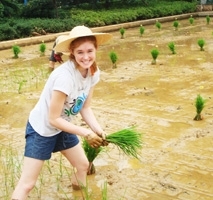
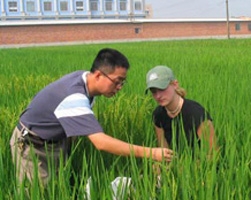
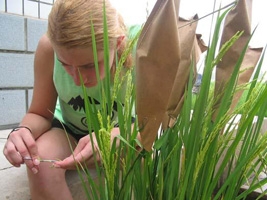
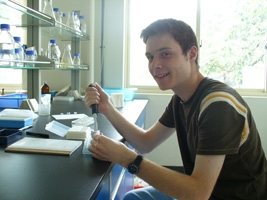
The China National Hybrid Rice Research and Development Center (HHRRC) in Changsha, China has hosted Borlaug-Ruan International Interns since 2004.
Established in 1984, the HHRRC aims to eradicate malnutrition and poverty through the development and distribution of new strains of hybrid rice.
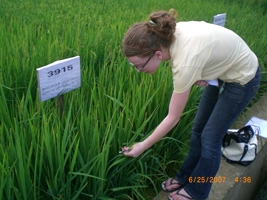
Interns at the HHRRC work alongside renowned international researchers and experts in research labs in Changsha.
Interns also have the opportunity to travel around Changsha and China with their new friends and colleagues to visit the Yuelu mountain, Hunan Provincial Museum, Chairman Mao's birthplace, Red Leaf Pavilion, Lushan Temple, Yunlu Palace, Zheng Ji Jia canyon, Forbidden City, the Great Wall and the Summer Palace.

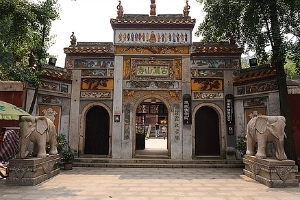
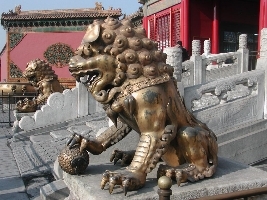


Images licensed by CC-BY-SA and GFDL (courtesy: )
Travel Information For China
Suggested Travel Link: https://travel.state.gov/content/travel/en/international-travel/International-Travel-Country-Information-Pages/China.html
Visa required: F-Visa Required
Passport: Required
Travelers Heath & Vaccinations: Visit the CDC website at https://wwwnc.cdc.gov/travel/destinations/list
Embassies & Consulates Contact:
-
U.S. Embassy Beijing - No. 55 An Jia Lou Road Chaoyang district, Beijing 100600 China
Telephone:+(86)(10) 8531-4000
Emergency:+(86)(10) 8531-4000
-
The U.S. Consulate General in Wuhan - New World International Trade Tower 1, No. 568, Jianshe Avenue Hankou, Wuhan 430022 China
Telephone: +(86)(027) 8555-7791
Emergencies: +(86)(10) 8531-4000
COMMON QUESTIONS SUMMER INTERNS ASKED CNHRRDC
How will I get from my hometown to my internship site?
The World Food Prize Foundation will arrange flights from your nearest hometown airport to Changsha, China. It is most common to have 2-3 legs to your trip. After arriving at your port of entry to China, you will go through immigration and customs, collect your baggage and transfer to the domestic terminal. There, you will need to recheck your bags and check-in for a domestic flight to Changsha (unless your port of entry is Changsha). Upon arrival in Changsha, your mentor will pick you up from the airport and drive you to campus.
What is the weather usually like during the period June through August?
The weather will be hot and humid - the daily mean temperature is 24-30 C (75-86 F). The highest temperature is about 38 C (100 F) in the hottest season in Changsha. Previous interns recommend bringing lightweight, linen clothing, loose fitting pants and an umbrella!
Is the dress code business or casual?
The dress code is casual, however it is recommended to bring full coverage clothing in the lab such as long sleeve tops, long pants and close–toed shoes (no shorts, t-shirts or tank tops). Outside of the lab, the attire is casual and similar to the United States.
What is housing like
You will stay in an individual dorm room that has a bed, desk, table/chairs, washing machine, bathroom, closet and storage.
Individual or common bathrooms?
They are individual bathrooms in your dorm, however keep in mind that they will be squat toilets, as with most toilets in Changsha and China!
Where are meals taken?
There is a cafeteria on campus where you will take your meals. Your meals are paid for in advance by the World Food Prize Foundation. Any meals not taken in the cafeteria would be considered the responsibility of the intern.
Will there be other high school or college students living and working there this summer?
Yes, there may be other non-residential college interns working at HHRRC over the summer as well as postgraduate students living and working on campus. You are welcome and encouraged to interact with them.
Is it advisable for me to bring a laptop computer with me?
Yes, you will want to bring a personal laptop or tablet you can work on.
Will I have internet and cell phone service?
WiFi is readily available in China and previous interns highly recommend purchasing a local SIM card at the airport because the data will be much faster than an eSIM and more reliable than an international plan with your US phone company.
Is the workweek Monday through Friday? The typical workday consists of how many hours?
A typical work day is 8:00AM - 5:00PM with a long break for lunch from 11:30AM - 2:30PM. You will work directly with your mentor in their lab and may also have the opportunity to do field work as well.
In case of a medical need or emergency, is there a clinic or medical facility near the place I will be working?
For major medical concerns, there is a hospital near the HHRRC campus as well as pharmacies and medical clinics for minor concerns. If a medical concern arises, contact Sarah, the HHRRC program manager, to help you navigate the medical system as it differs from the US and may be confusing. It is advised that interns bring any over-the-counter medicine (ibuprofen, acetaminophen, antacids etc.) that they anticipate needing during their internship.
Student Research Projects
Impact of Rice PPR Protein YSA on Early Chloroplast Development (2025)
Identifying Mutant Recessive Genes in Oryza sativa (2019)
CRISPR/Cas-9 Knockout of LOX3 in Oryza sativa (2018)
Rice Blast Resistance in Genes: Utilizing Haplotypes of Resistance Gene Pid3 (2017)
Locating Red Seed Hull Gene in Hybrid Rice (2016)
Rice Mutant htd(t): Dwarf and High Tillering (2016)
Determining the Location of the Narrow Leaf Gene in Rice (2015)
The Use of TALEN Technology to Further Hybrid Rice Research (2013)
Analysis of Blast Resistance of Hybrid Rice Parents by Means of PCR and Pathogenicity Assays (2012)
The Scientific and Human Elements of Hybrid Rice (2011)
Developing Improved Rice Varieties for Greater Yields (2010)
Identifiying Varieties of Super Hybrid Using SSR Molecular Markers(2009)
Adding the C4 Gene to Rice (2008)
Examining Hybrid Rice Research Projects (2007)