


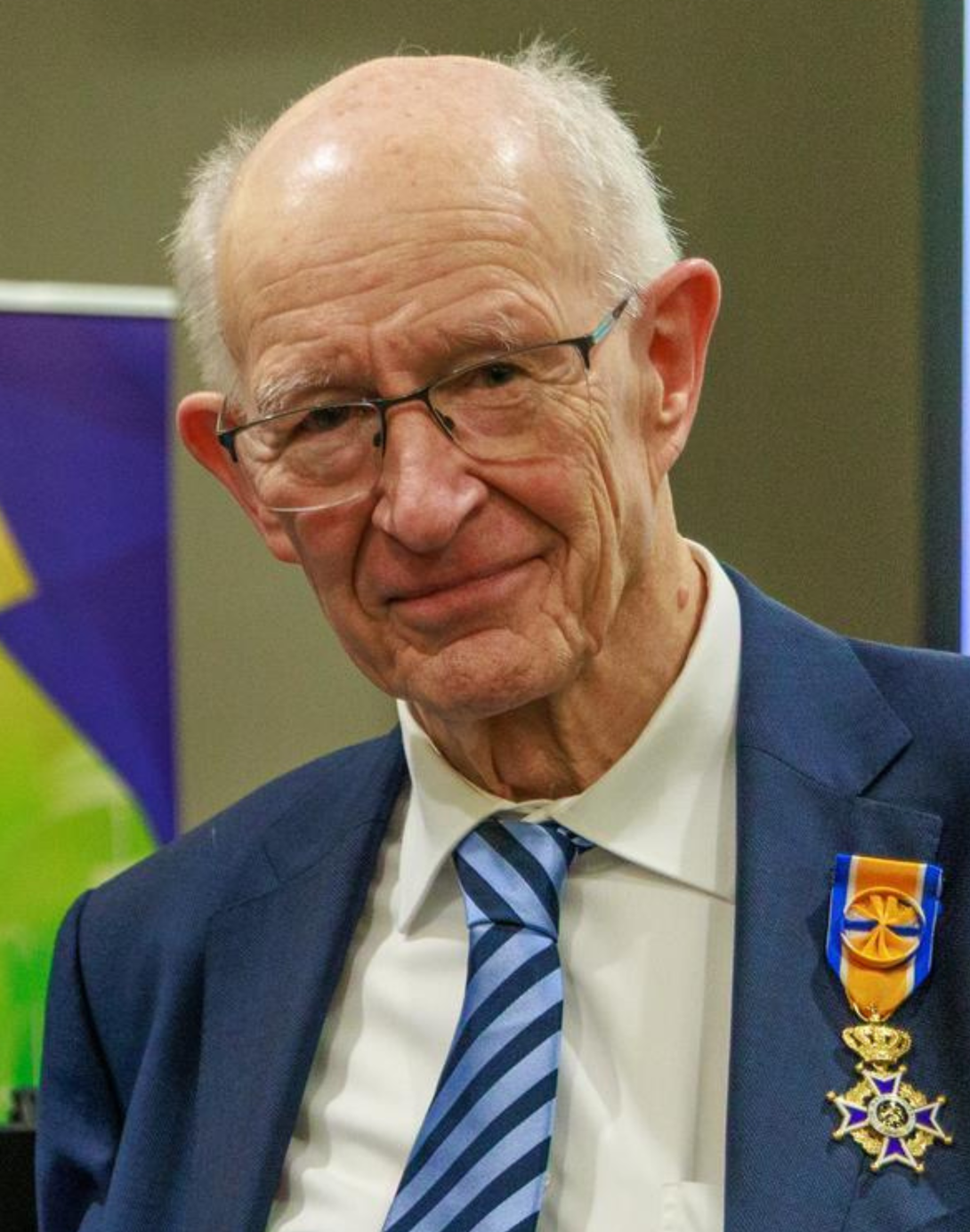
Huub Lelieveld
THE NETHERLANDS
Huub Lelieveld will receive the 2026 World Food Prize for translating the science of food safety into a global force for action, helping prevent millions of cases of foodborne illness, dismantle barriers to trade and humanitarian aid, reduce food loss and waste, accelerate responsible technological innovation and strengthen the foundation for a more food-secure world. He has marshaled a movement across 113 countries to deliver the scientific evidence for modern regulations, legislation and international standards that safeguard the world’s food supply. Through six decades of research, institution-building and tireless advocacy, he has united scientists, industry leaders and policymakers around a commitment to safe and nutritious food for all.
Biography
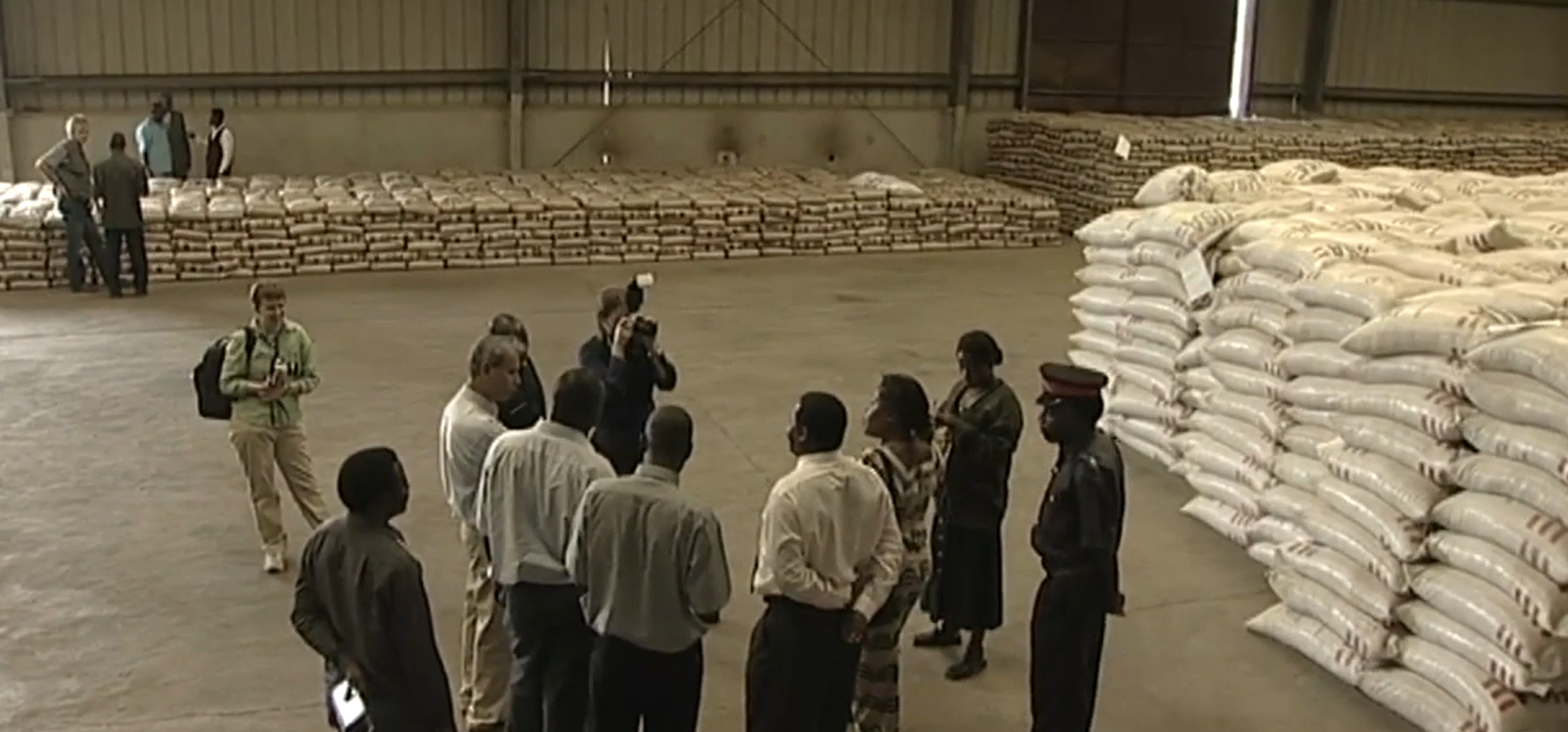 In 2002, alarming reports confirmed that Southern Africa was rapidly descending into famine. The need for emergency aid was immediate and overwhelming, as millions faced severe food shortages and acute hunger. As officials deliberated, thousands perished—while life-saving food aid sat in ports. Bureaucratic hurdles and regulatory barriers had stalled delivery of food at the very moment it was most urgently required. African leaders voiced concerns about the safety of donated grain that may contain genetically modified crops, explaining that they did not want to accept modified crops until their countries had regulatory mechanisms in place to manage potential risks. Caught between urgency and uncertainty, critical shipments remained stranded as the crisis deepened.
At 60, Lelieveld already had an impactful, 40-year career as a food safety researcher, innovator and the founder and leader of several international professional associations. But rather than slowing down and retiring, he sprang into action upon witnessing the widespread confusion and challenges surrounding food safety—and the human suffering that resulted. He sought to prevent instances in which food deemed safe by scientific standards was rejected elsewhere due to inconsistent application of science-based regulatory processes.
If nations’ food safety regulations could be made to align with scientific evidence, it would remove obstacles to trade and aid by making regulatory processes across borders much easier and faster to navigate. Farmers and food processors would gain greater access to markets across borders. Increased trade of safe, nutritious and more affordable food would strengthen livelihoods, boost economies and create new opportunities to invest in innovation.
In 2004, Lelieveld founded the Global Harmonization Initiative (GHI) to build international consensus around the scientific foundations of food regulations and legislation, with the goal of ensuring the availability of safe and nutritious food for consumers everywhere. Over the past two decades, Lelieveld has grown GHI into a dynamic, science-driven platform that advances food safety and security through collaboration, establishing it as a uniquely influential force in the global food landscape.
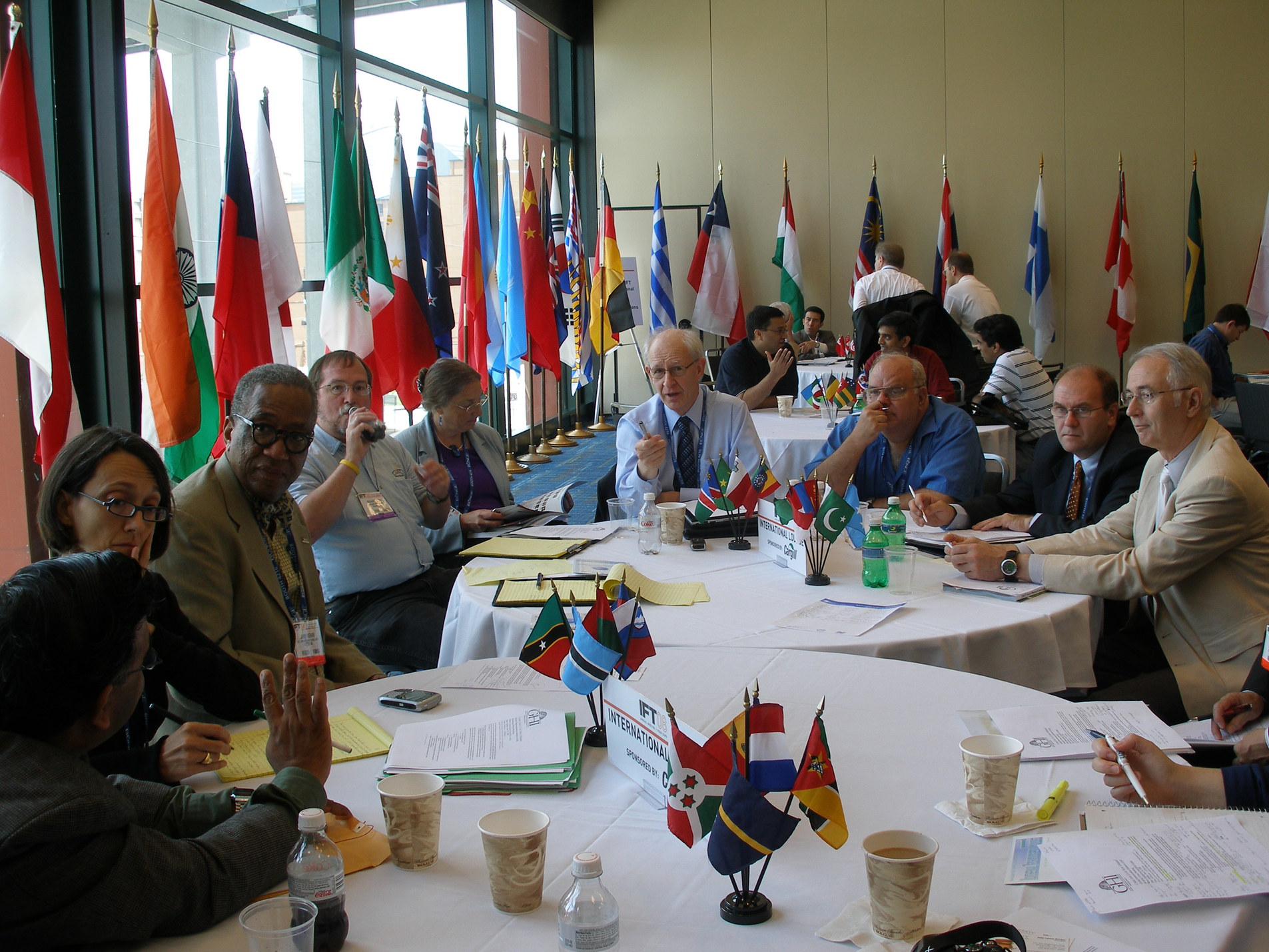
Today, GHI unites more than 1,600 volunteers in 113 countries, including leading scientists, academics, policy experts and industry professionals. With volunteer ambassadors in 68 countries and 20 working groups, GHI has become an unparalleled movement for advancing science-based food safety policies worldwide. GHI working groups focus on diverse topics from nutrition to nanotechnology and microbiology to mycotoxins, conducting a rigorous review of scientific evidence and legal issues to develop a consensus position. GHI ambassadors bring working group recommendations to policymakers, promoting regulations grounded in sound science. These efforts reduce foodborne illness, dismantle trade and aid barriers, decrease food loss and waste, foster innovation and expand access to safe, nutritious food for millions of people around the world.
FOOD INDUSTRY INNOVATION
Lelieveld was born during World War II in The Hague in the Netherlands. “I grew up right after the fearful years of Nazi oppression came to an end, in a liberated country with a renewed spirit of solidarity. There was much work to be done and no time to complain,” said Lelieveld.
His father owned a small Indonesian-style food products company and, from an early age, Lelieveld’s favorite activity was helping at the factory. He did simple tasks like filling bottles with chilli sauce, but he soon began noticing ways to improve processes. He often exchanged ideas with his father, who not only taught him the fundamentals of the business but also inspired a lifelong passion for food production and a relentless commitment to efficiency.
After earning a degree in electrical engineering from The Hague University of Applied Sciences, Lelieveld joined Unilever in the Netherlands as a researcher. There, he challenged prevailing food manufacturing practices that relied heavily on frequent sterilization and chemical preservatives to make food safe. At the time, much of the equipment used in the food industry was not designed for food processing, and even specialized machinery was difficult to clean, creating persistent challenges for food safety. Machinery had to be taken offline for cleaning once or twice a day, and manufacturers relied on excess preservatives, salt, sugars and acids to offset the risk of inevitable contamination.
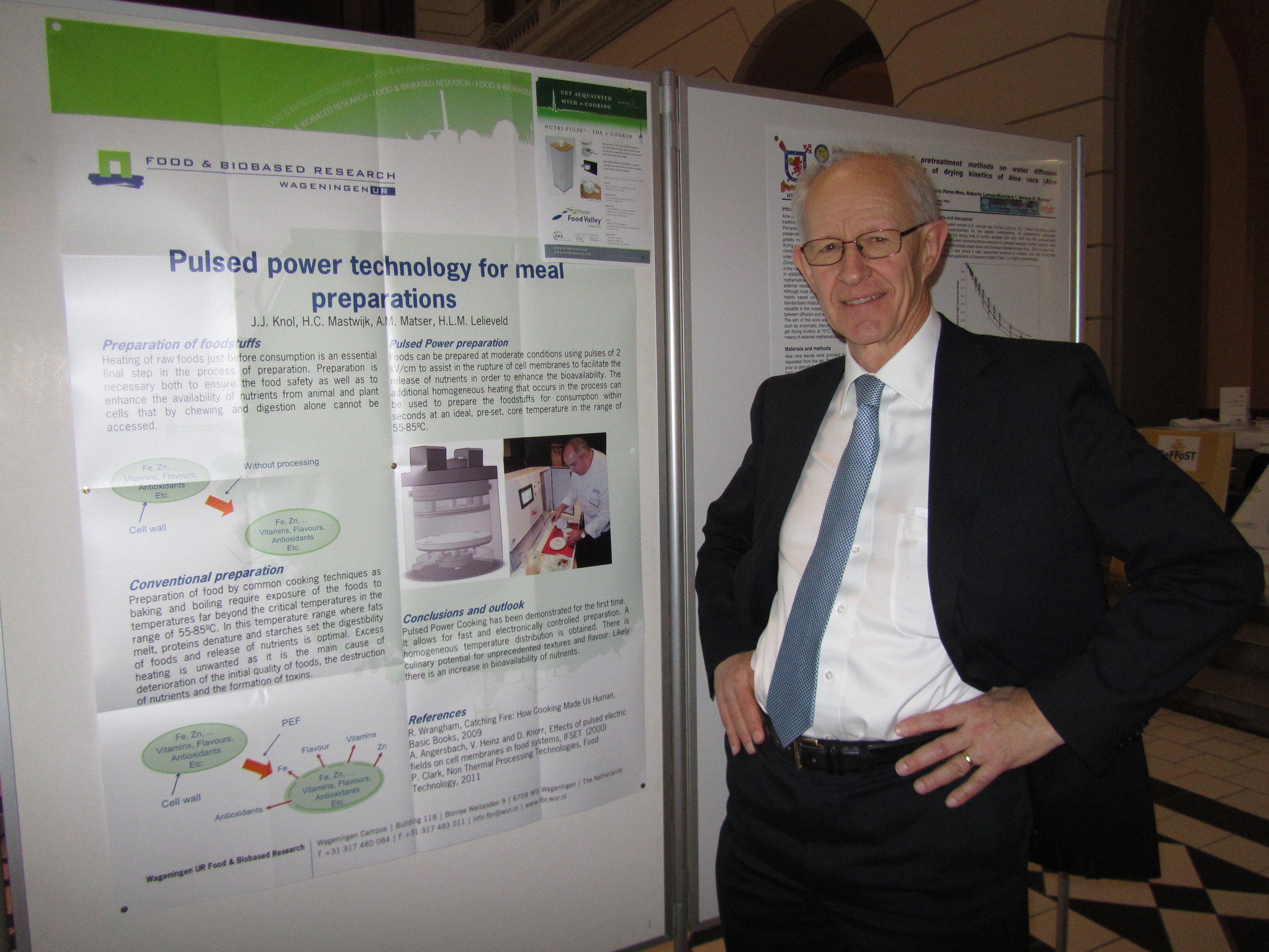 Recognizing the critical role of equipment and process design in ensuring sterilization and preventing contamination, Lelieveld pioneered equipment and automated production methods that maintained hygienic conditions. He worked closely with equipment manufacturers and technical teams at Unilever factories to redesign pumps, valves, tanks, packaging machines and other systems that improved efficiency while meeting food safety standards. These innovations allowed production lines to run continuously for days and led to dramatic reductions in the use of preservatives, salt and sugar, which reshaped Unilever’s portfolio toward healthier and more flavorful products. These highly effective changes were adopted and scaled across Unilever’s facilities, subsequently becoming commercially available as globally-used food industry standards that remain in use today.
At Unilever, Lelieveld developed many more groundbreaking innovations that made food safer and reduced waste. Included among them were continuous fermentation processes, non-destructive product testing and one of the first aseptic packing machines. His work resulted in 11 patents and over 1,000 contributions to Unilever’s scientific database.
However, Lelieveld was not satisfied with transforming food safety within a single company. He strongly believed all food processors should have access to improved technologies and recognized that innovation would progress faster if researchers were encouraged to share their work openly.
As an executive committee member of the Netherlands Microbiological Society in 1978, he initiated and chaired its Technical Microbiology Section to address bioprocessing and biotechnology, a field so new that the term “biotechnology” had not yet been coined. His guidance was instrumental in founding the Netherlands Biotechnological Society, which later joined forces with similar organizations in other countries to form the European Federation of Biotechnology (EFB). Under Lelieveld’s leadership, the EFB’s Biosafety Working Party produced guidelines on biotechnology practices that became the foundation of European biosafety legislation.
In 1989, Lelieveld co-founded the European Hygienic Engineering & Design Group (EHEDG) and served as its president for 12 years. He brought together food companies, equipment manufacturers and research institutes to publish more than 60 globally accepted guidelines for safer food manufacturing. As a result of his leadership, hygienically designed EHEDG-certified equipment is today’s industry standard.
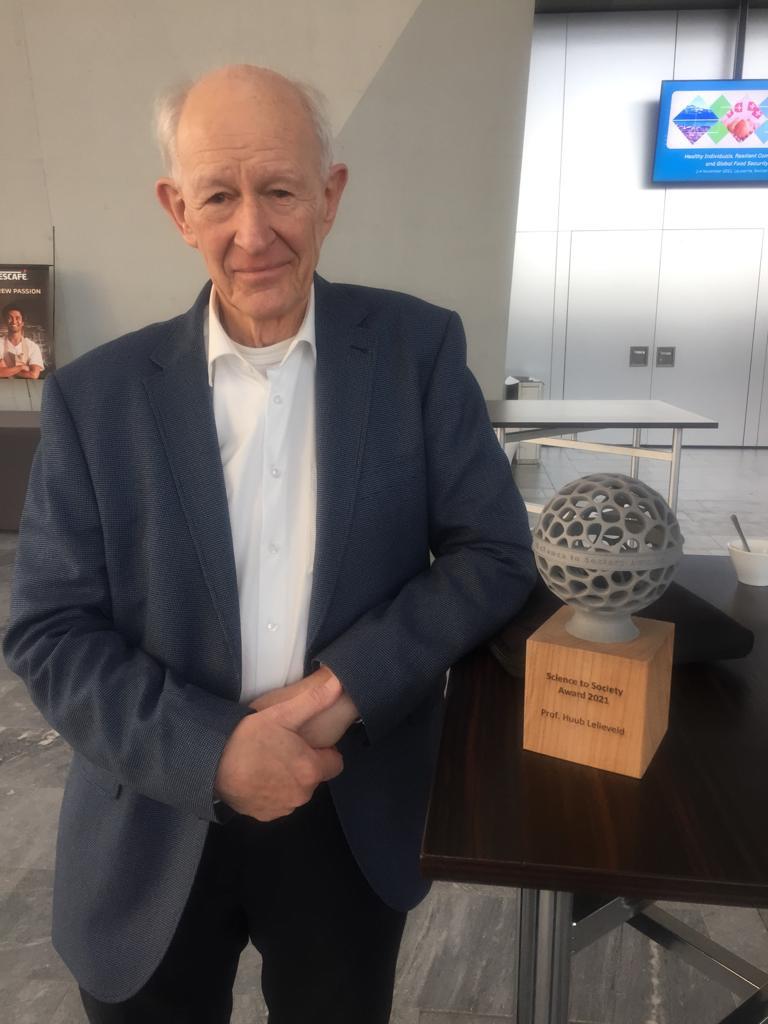 Lelieveld became secretary-general of the European Federation of Food Science and Technology (EFFoST) in 1993 and president in 1998. He revitalized EFFoST, then on the brink of disbanding, transforming it into a thriving network that connects food scientists, engineers, technologists, policymakers and businesses to accelerate the adoption of new technologies. Under his direction, the organization rebounded and has grown to 100,000 food professionals and more than 130 organizations across Europe. In recognition of his impact, Lelieveld was awarded the EFFoST Lifetime Achievement Award in 2011 and the Science to Society Award in 2021 for his outstanding contributions to food science and technology and their benefit to society.
BUILDING THE WORLD’S SCIENTIFIC COALITION FOR SAFE FOOD
After a highly impactful four-decade career at Unilever and an equally exceptional era of agenda-setting work, Lelieveld took on a new challenge. Rather than take a step back and relax in retirement, he convened a group of food scientists at the Institute of Food Technologists’ 2004 annual meeting to lay the groundwork for the Global Harmonization Initiative (GHI). Founded and led by Lelieveld as its volunteer, unpaid president, GHI sought to bring clarity and consensus to the complex topic of food safety regulations.
GHI harnesses a volunteer network of leading scientists and scientific organizations to analyze food safety research from around the world and develop consensus positions. When a key issue emerges, GHI convenes a working group to review the scientific evidence alongside existing laws and regulations—or the absence of them—in that area.
The group then produces a consensus statement or white paper with recommendations for harmonized, science-based food regulations. These recommendations undergo rigorous international peer review by subject-matter experts before being translated into action. GHI ambassadors and experts work directly with industry leaders, regulators and policymakers worldwide to advance science-based guidance on food safety and security.
The ultimate goal is to harmonize legislation globally, reduce unnecessary trade barriers, strengthen food system governance and improve the safety of the global food supply.
SCIENCE IN SERVICE OF A SAFER FOOD SUPPLY
Under Lelieveld’s leadership, GHI recommendations have shaped legislation in multiple countries. In Kenya, for example, GHI guidance was adopted into national law in 2023, requiring food companies to employ certified food safety professionals. GHI has also been instrumental in standardizing and depoliticizing food irradiation—a technology that prevents millions of foodborne illness cases each year while reducing food waste through extended shelf life.
“Not only large companies are affected by unjustified differences in regulations, but also small companies, street vendors and ultimately all consumers,” said Lelieveld. “The Global Harmonization Initiative, therefore, strives not only to reach scientific consensus but also to ensure that findings are accessible to everyone, requiring simplification without compromising scientific accuracy and translation into local languages.”
Beyond advancing consensus and harmonizing legislation, Lelieveld and GHI have pioneered initiatives tackling urgent food system challenges. He spearheaded the creation of an international alert and whistleblowing system, enabling experts in over 100 countries to detect and respond to food safety threats within 48 hours—protecting consumers before crises escalate. Following the 2008 Wenchuan earthquake in China, Lelieveld mobilized GHI to produce a food safety manual for disaster zones, shaping emergency response protocols across multiple regions.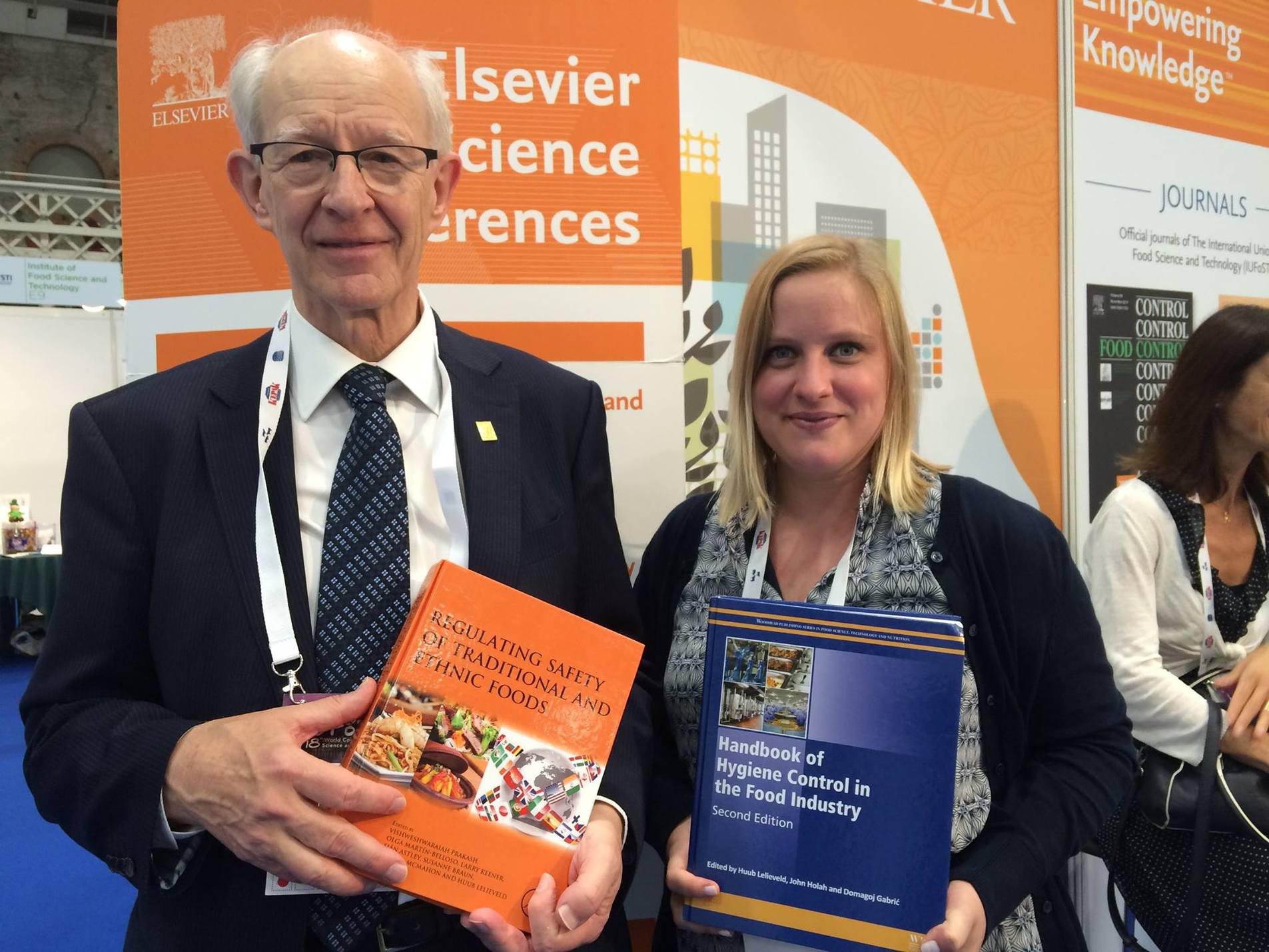
Lelieveld has also improved food safety for vulnerable populations through grassroots initiatives such as the Safe Cassava and Safe Water projects. By promoting safer cassava processing—a staple for millions in sub-Saharan Africa—these efforts prevent irreversible neurological disease in children and improve long-term nutrition outcomes. Additionally, piloting atmospheric water generation in eight countries provides a scalable solution to clean water access, addressing one of the most pressing global health challenges.
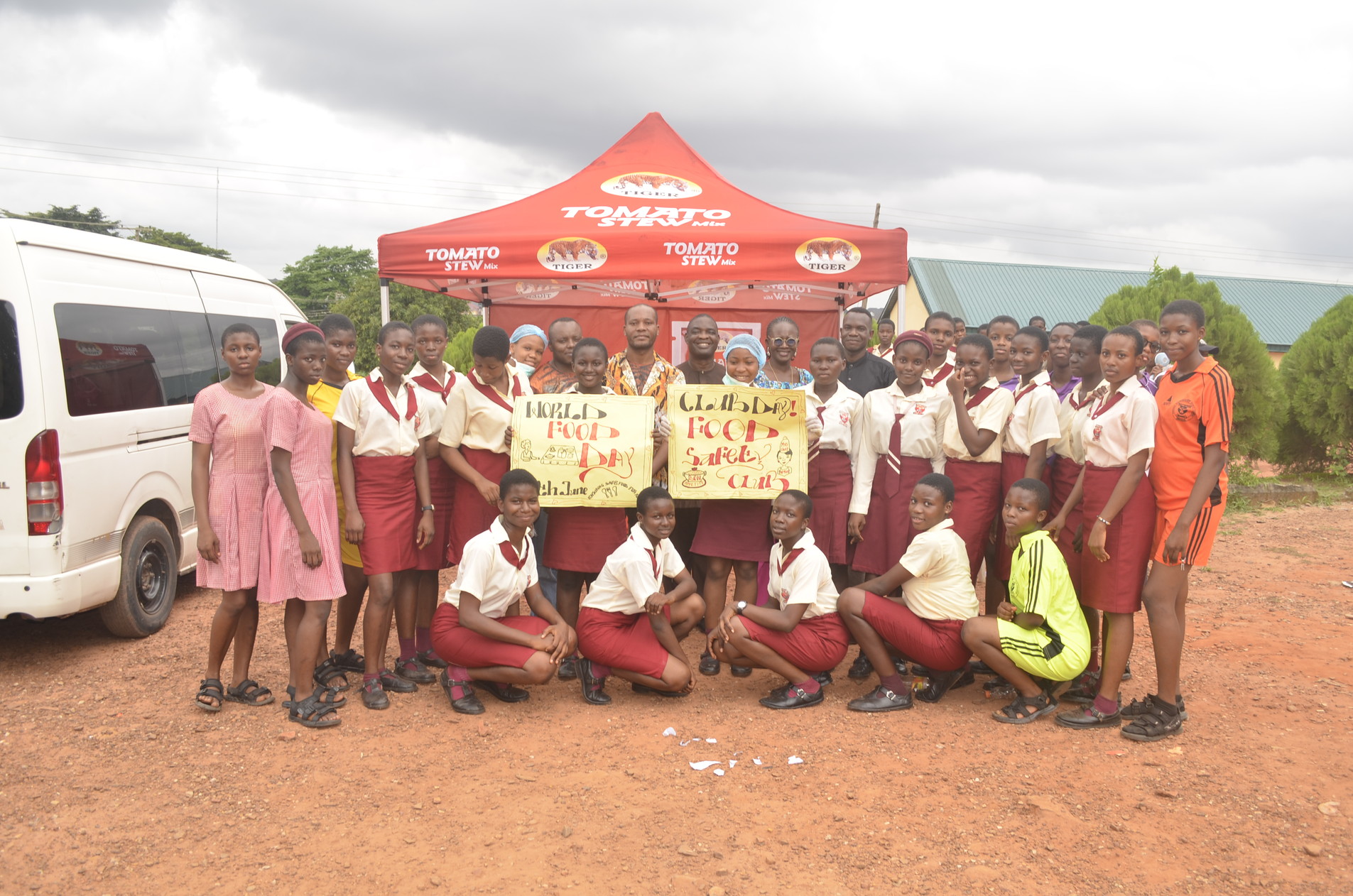 Under Lelieveld’s guidance, GHI has prioritized capacity building through briefs, case studies, reports, and webinars that inform and engage stakeholders. The organization has trained over 4,000 food processing professionals, equipping a new generation of scientists and regulators to lead safe food production in their countries. GHI’s Safe Food Clubs extend this impact to schoolchildren in rural areas, teaching essential skills for handling and consuming food safely at home.
A LIFETIME DEDICATED TO SAFE FOOD
Lelieveld has authored and co-authored 16 books, translated into multiple languages and widely used by universities and food companies to shape curricula and inform regulatory reform.
His profound contributions to food safety and security earned him an honorary doctorate from the National University of Food Science and Technology in Kyiv, Ukraine. He was also appointed an Officer of the Order of Orange-Nassau by the Dutch Royal House in recognition of his outstanding international service to public health.
Lelieveld lives by the conviction that access to safe food is a universal right—a philosophy that echoes the legacy of Dr. Norman Borlaug. His global efforts to harmonize regulations have lowered trade barriers, prevented the unnecessary destruction of safe food, promoted innovative food safety technologies and reduced the risk of foodborne illness for millions of people.
And he is not finished.
“My philosophy is, if you can help, then help,” Lelieveld said. “My drive is to help people with this objective: safe food for everybody.”