
World Food Prize Foundation
The Borlaug Blog
OUR MISSION
To elevate innovations and inspire action to sustainably increase the quality, quantity, and availability of food for all
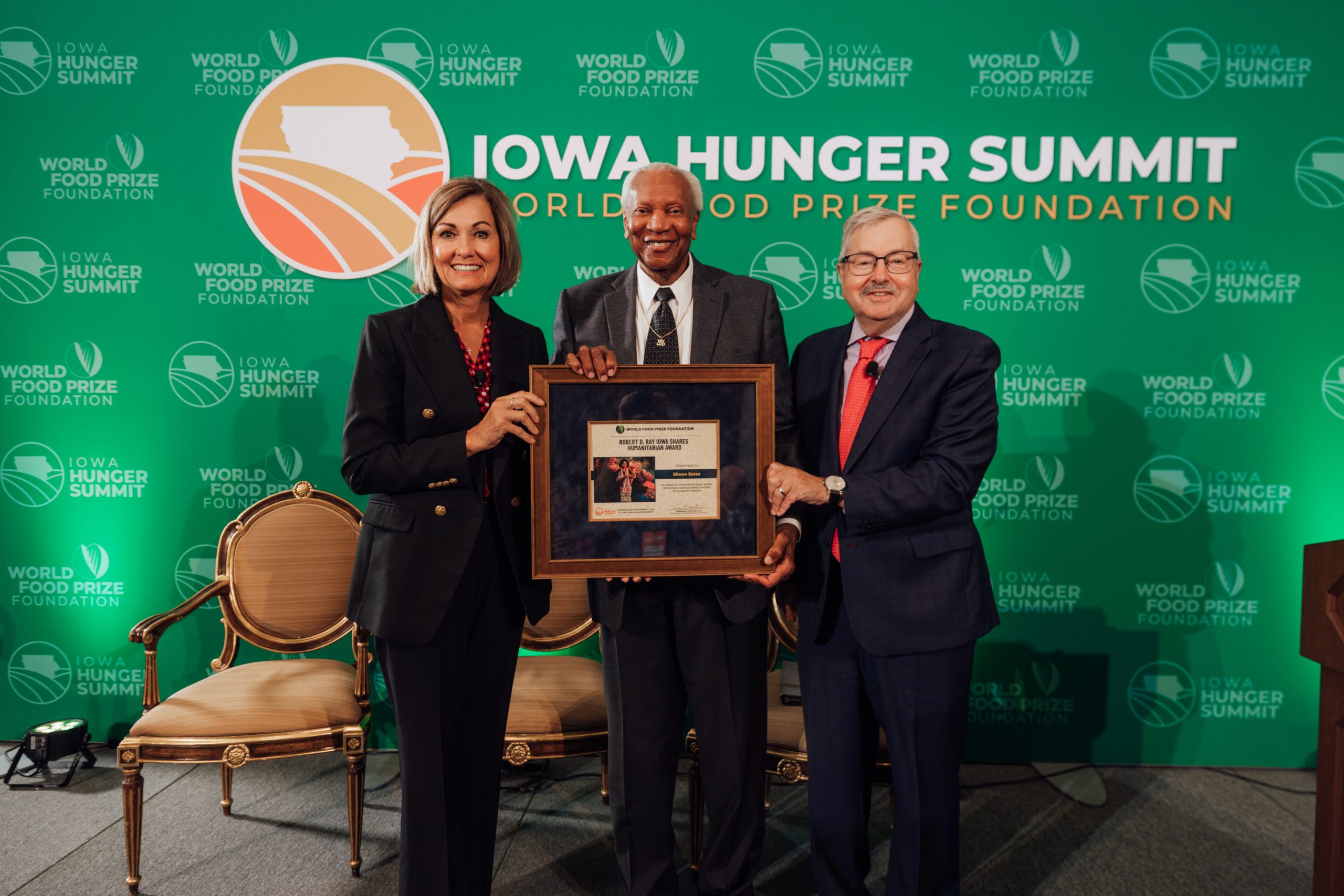


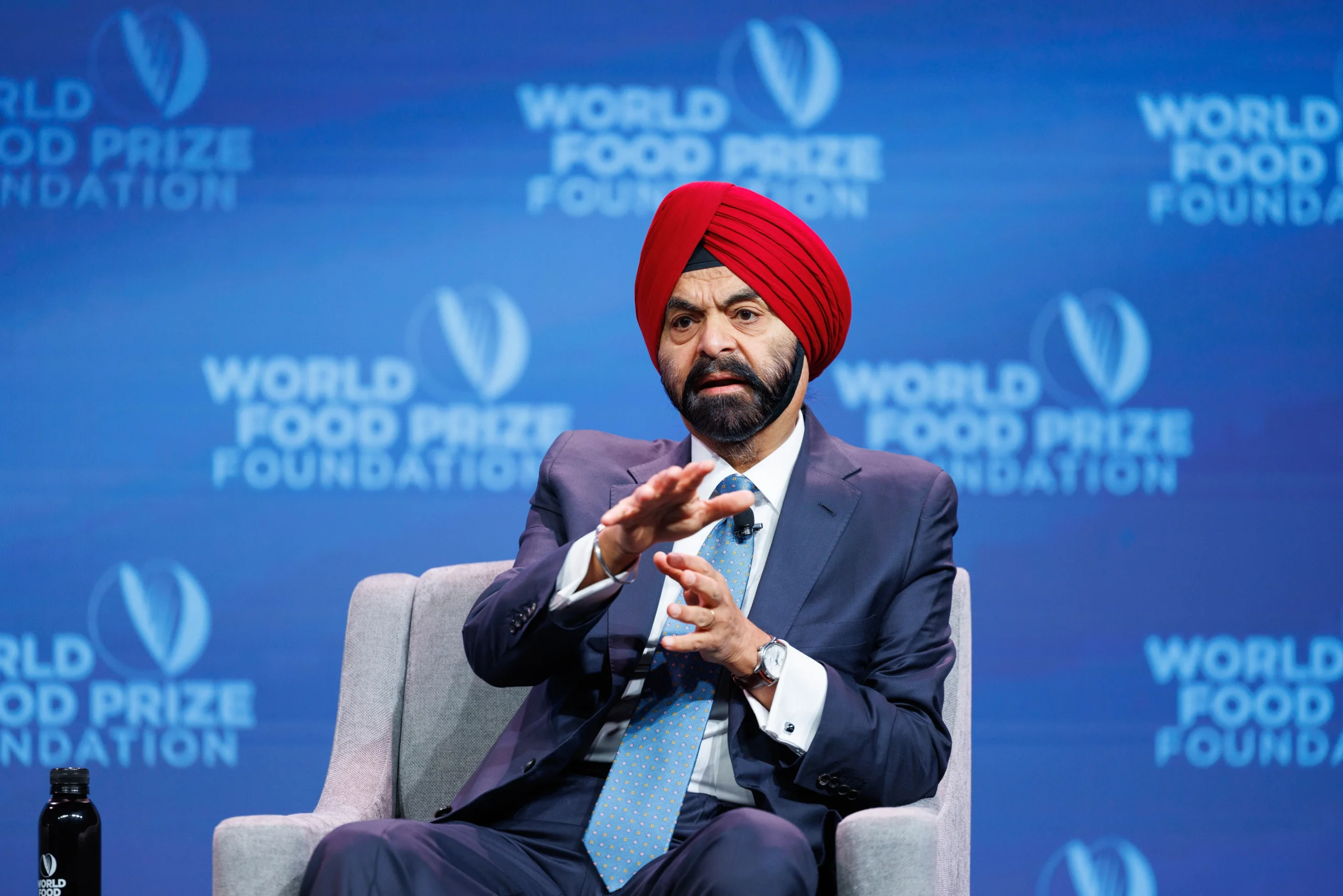

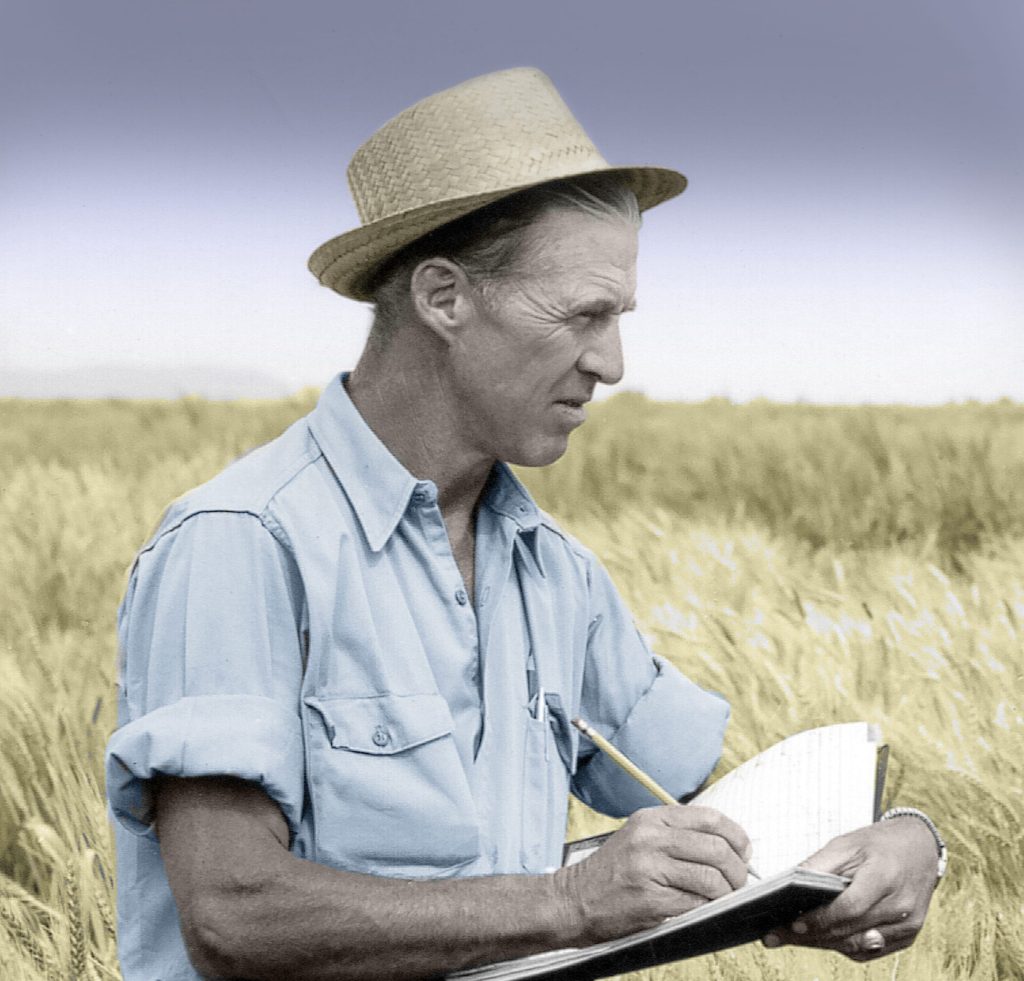
For decades, the World Food Prize Foundation has carried forward the legacy of Dr. Norman E. Borlaug — the man credited with saving more than one billion lives — by recognizing individuals whose achievements have advanced human development through improvements in the quality, quantity and availability of food around the world. Our Laureates, partners and staff continue that legacy every day, working to alleviate hunger through innovation, collaboration and scientific discovery.
The Borlaug Blog extends those conversations by sharing the expertise, research and personal stories of our Laureates, partners, youth leaders and Foundation staff. Through these perspectives, we hope to foster meaningful dialogue among farmers, researchers, policymakers, business leaders, students and global citizens who are committed to building a more food-secure future.
-
Mentored by Greatness
Categories: The Borlaug Blog
By Dr. Ronnie CoffmanWorld Food Prize Council of Advisors When a person is mentored by greatness, it changes them for life. That is what happened to me under Dr. Norman E. Borlaug. In 1967, I arrived at Cornell University from the University of Kentucky as a 24-year-old Ph.D. student in the plant breeding department. Soon…
-
A Noble (and Nobel) Legacy of Inspiring Young Leaders
Categories: The Borlaug Blog
By Keegan KautzkyDirector of National Education Programs At the very first World Food Prize Youth Institute, there were just 12 students…and three Nobel Peace Prize Laureates! Norman Borlaug, Jimmy Carter and Muhammad Yunus spent the day listening to the students’ ideas, discussing their solutions, and offering them advice on how to tackle the world’s toughest…
-
Why the Quality of Food Matters in Combating Hunger
Categories: The Borlaug Blog
By Jan Low2016 World Food Prize Laureate When one sees pictures of starving children in Yemen or the multitudes of refugees walking long distances with clearly limited resources, the first and appropriate reaction is to get enough calories to these stricken individuals so that they can survive and not feel the pangs of severe hunger.…
-
Turning livestock herders into citizen-scientists: the mobile phone leapfrog into the information age
Categories: The Borlaug Blog
By Dr. Andrew Mude2016 Borlaug Field Award Recipient Upon first sight, the Samburu pastoralists of Northern Kenya may not look too different than they did generations ago. The men still drape colorful blanket-like cloths across their torsos and loins as their principle attire and carry a spear in one hand with a short sword strapped…
-
Hungry Bellies and Silent Killers: Why both Quantity and Quality Matter in Food Security
Categories: The Borlaug Blog
By Charity MutegiResearch Scientist working for the International Institute of Tropical Agriculture (IITA) What do you look for at the market or the grocery store? Do you seek out food that offers good value for money or the best taste? Would you rather have a large helping or a dish that looks appealing? Amongst all…
-
What Innovations in Food Production Are Likely to Have Significant Impact in the Next Decade?
Categories: The Borlaug Blog
By Dr. Robert Mwanga2016 World Food Prize Laureate “Innovations in food production” is a broad topic. These innovations are diverse and hold immense potential in addressing hunger in the world, but the main critical factors to significantly impact planet earth in the next decade must be considered first. We must immediately prioritize innovating factors likely…
-
Borlaug-Ruan Intern Finds Inspiration in India
Categories: The Borlaug Blog
By Lisa FlemingFormer Director of International Internships & Career Development, The World Food Prize Foundation “It was the most difficult thing I’ve ever done but the best thing I’ve ever done in my life.” Thus started my recent conversation with Edwin Belton Moore – a World Food Prize Borlaug-Ruan International Intern Alumnus from North Carolina…
-
The Role of Technology in Achieving Global Food Security
Categories: The Borlaug Blog
By Dr. Maria Andrade 2016 World Food Prize Laureate Global food security implies that all people throughout the world, including vulnerable groups such as the rural and urban poor, at all times have access to adequate quantities of safe and nutritious food to maintain a healthy and active life. Food security is a right that should…
-
Youth Engagement for Sustainable Intensification in Africa
Categories: The Borlaug Blog
By Dr. Zach Stewart2006 Borlaug-Ruan Intern Growing up on a farm in Southwest Iowa, I had already fallen in love with agriculture, but had no understanding of agriculture’s importance to the world, global stability and peace and the livelihood of the poor. Like many young students heading to college, I wanted to study a “cutting-edge”…
-
How to guide food systems to achieve nutrition objectives
Categories: The Borlaug Blog
By Dr. Per Pinstrup-Andersen2001 World Food Prize Laureate Much is known about how to change food systems for the benefit of human nutrition. Many pathways through which improved nutrition could flow from agriculture and other parts of food systems to peoples’ diets have been suggested and a large number of recommendations for action by policy-makers, households…