

World Food Prize Foundation History
After Dr. Borlaug was awarded the Nobel Peace Prize
Dr. Borlaug and the World Food Prize
In 1970, he realized there should be a prestigious, international award given each year to honor the work of great agricultural scientists working to end hunger and improve the food supply.
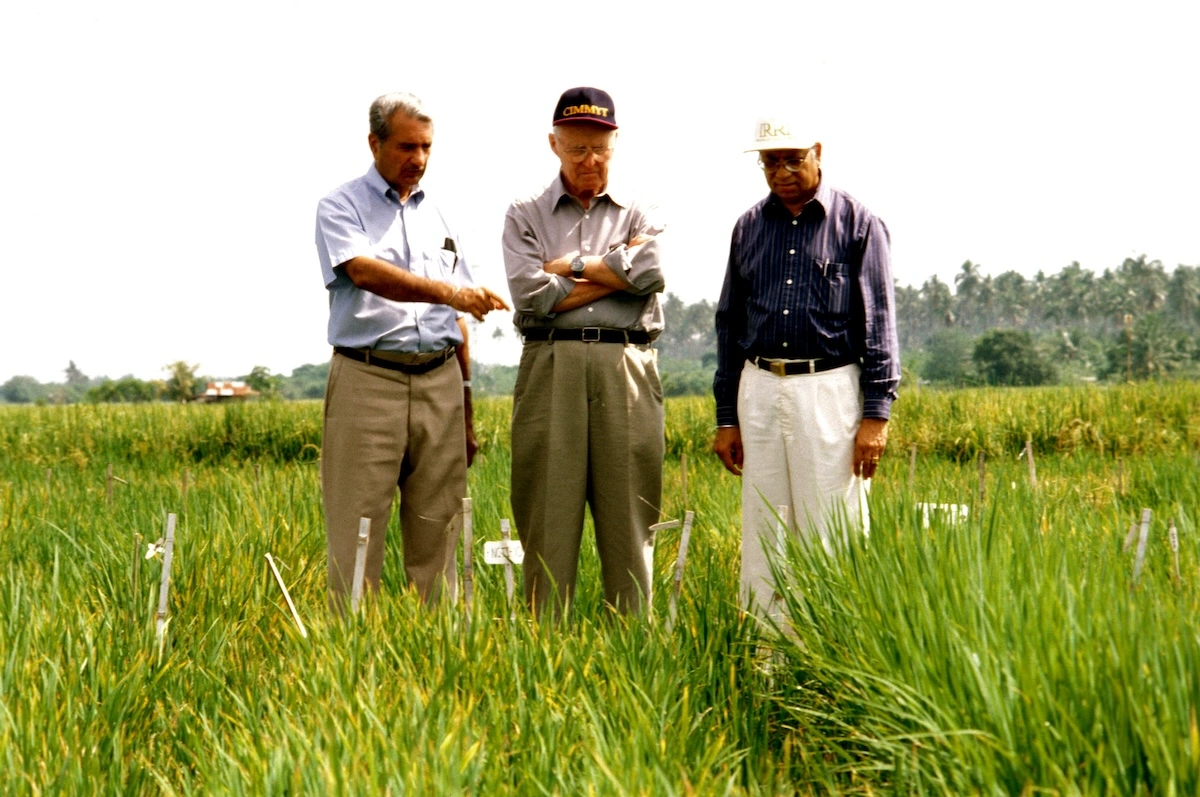
In 1986, he founded The World Food Prize, an annual $250,000 award that he hoped would both highlight and inspire breakthrough achievements in improving the quality, quantity and availability of food in the world, and which is now often referred to as the “Nobel Prize for Food and Agriculture.”
Dr. Borlaug imbued this foundation with his philosophy that confronting hunger and poverty can bring people together across even the widest political, religious, ethic, or diplomatic divides.
Over the past 30 years, The World Food Prize has been awarded to laureates from Bangladesh, Belgium, Brazil, Cape Verde, China, Cuba, Denmark, Ethiopia, Ghana, India, Israel, Mexico, Sierra Leone, Switzerland, Uganda, United Kingdom, the United Nations and the United States. They have been recognized for a wide array of work, in areas including soil and land; plant and animal science; food science and technology; nutrition; rural development; marketing; food processing and packaging; water and the environment; natural resource conservation; physical infrastructure; transportation and distribution; special or extraordinary feeding programs; social organization and poverty elimination; economics and finance; policy analysis; and public advocacy.
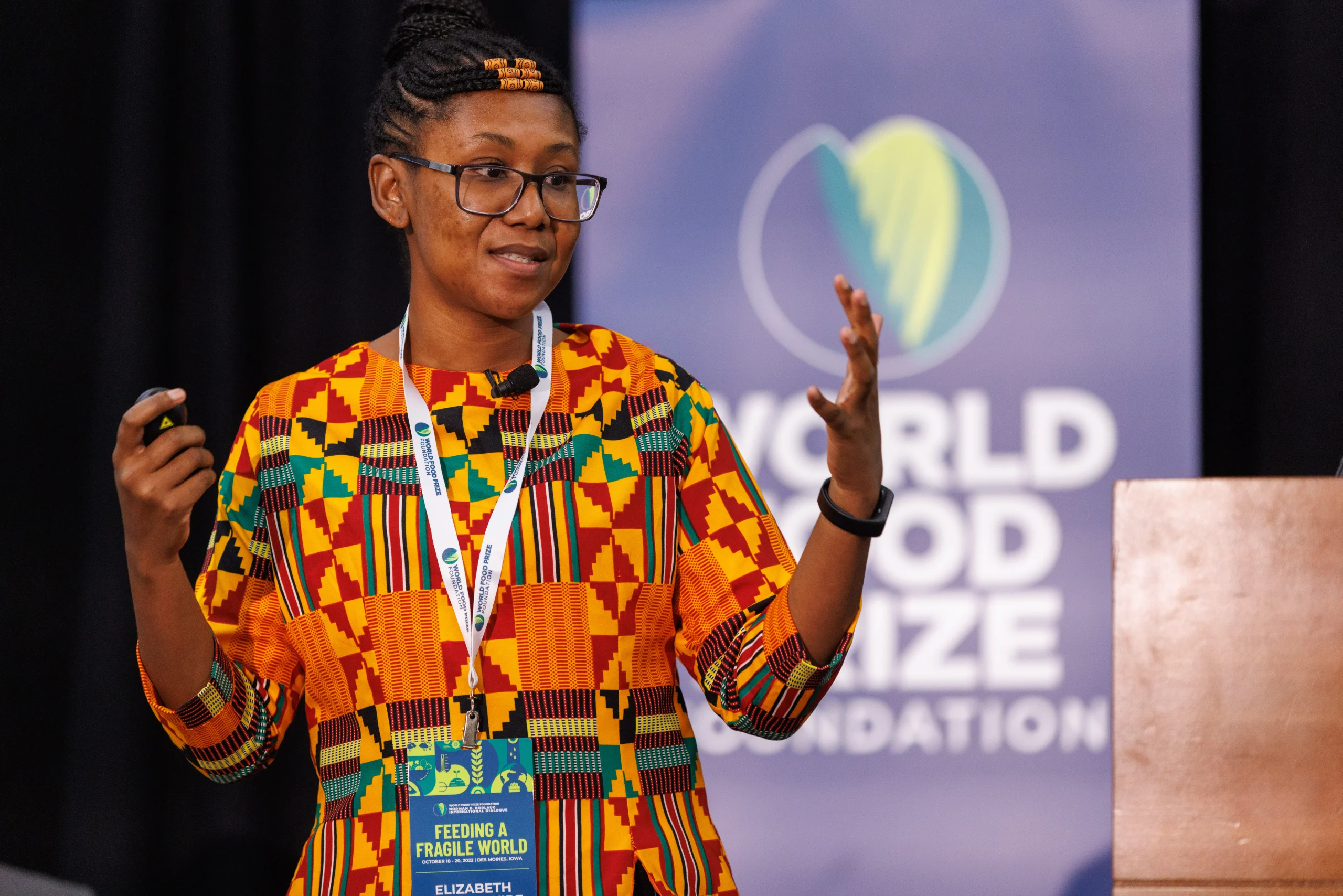
Dr. Borlaug also helped build the World Food Prize “Borlaug Dialogue” international symposium, which brings together the world’s top minds each year to address cutting-edge issues in hunger and food security. He also developed the World Food Prize youth programs, which engage high school and college students in the fight to end hunger and introduces them to potential academic and career paths in agriculture and related fields.
Dr. Borlaug’s statue in the U.S. Capitol is a great inspiration to scientists, leaders, and the next generation of hunger fighters around the world as we confront what World Food Prize President Amb. Kenneth M. Quinn calls “the single greatest challenge in human history: whether we can sustainably feed the 9 billion people who will be on our planet in the year 2050.”
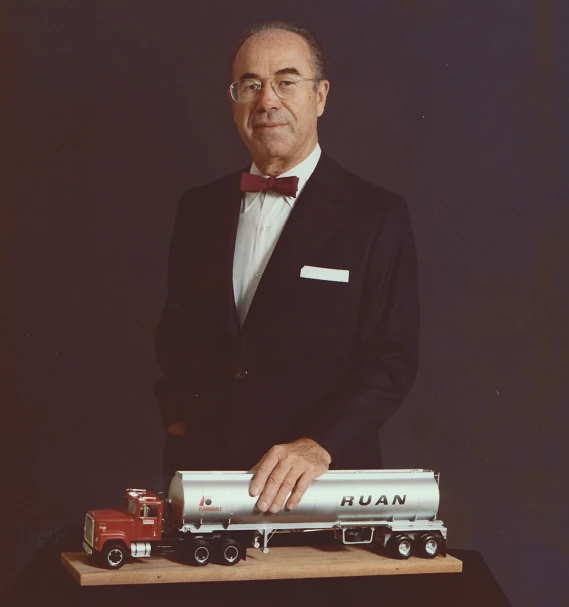
John Ruan, Sr. and the Growth of the World Food Prize
Mr. John Ruan, Sr. played a pivotal role in transforming Dr. Norman E. Borlaug’s vision for the World Food Prize into a global institution. After learning about Borlaug’s dream to recognize individuals making extraordinary contributions to food and agriculture, Ruan became a passionate supporter of the Prize and helped bring it to Iowa.
Ruan understood the importance of recognizing the scientists, farmers, educators and leaders working to address hunger and strengthen food systems around the world. Through his leadership and philanthropy, he helped establish the World Food Prize Foundation and create a lasting platform for honoring achievements in global food security and agricultural innovation.
His commitment extended beyond the World Food Prize itself. Ruan envisioned a place where people from around the world could gather to exchange ideas, celebrate accomplishments and inspire the next generation of leaders. That vision helped lay the groundwork for the World Food Prize Foundation’s continued work to advance dialogue, education and collaboration around the world’s most pressing food and agriculture challenges.
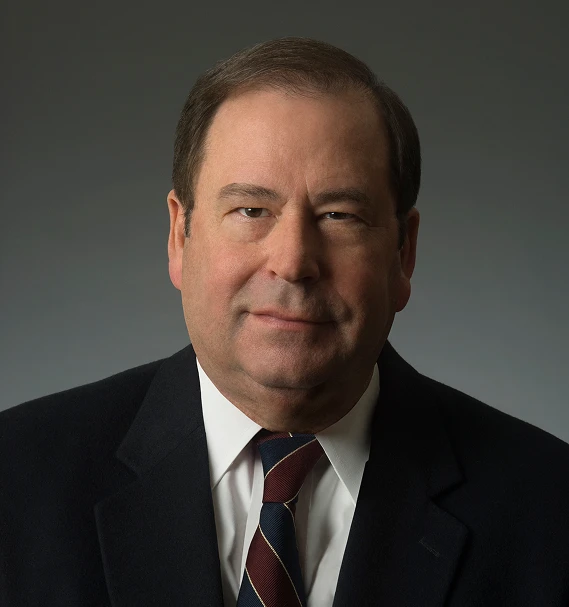
John Ruan III — A Legacy of Global Impact
The legacy of the World Food Prize Foundation continued with Mr. John Ruan III, who helped carry his family’s commitment to global food security into a new generation. Following the leadership of his father, John Ruan, Sr., Ruan III contributed to the Foundation’s efforts to expand its reach and create meaningful opportunities for people to connect around the challenges facing the world’s food systems.
His involvement helped reinforce the Foundation’s role as more than the home of the World Food Prize. Through its award programs, global dialogues, educational initiatives and youth programs, the Foundation brings together established leaders and emerging changemakers working toward a more food-secure future. Ruan III’s continued commitment has helped connect the Foundation’s history and heritage with its vision for the future.