United Kingdom
1999 Laureate:
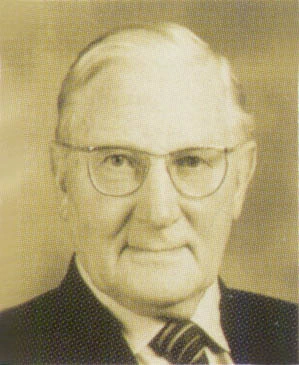
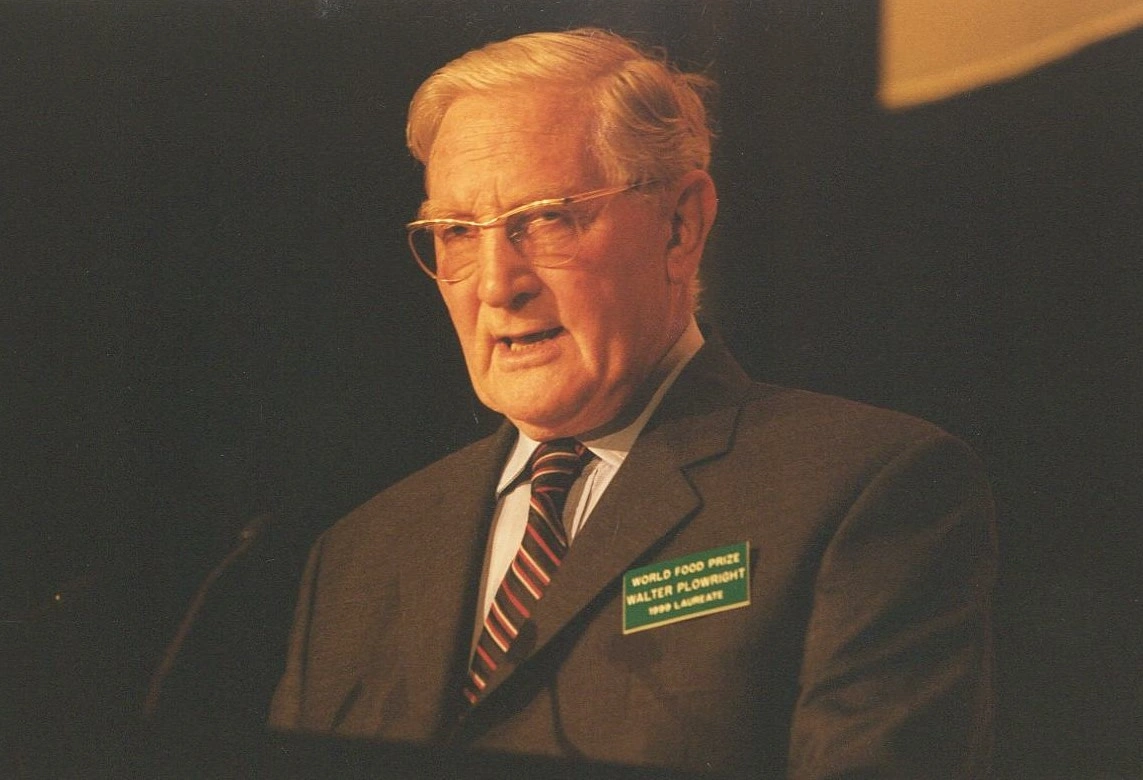
Dr. Walter Plowright
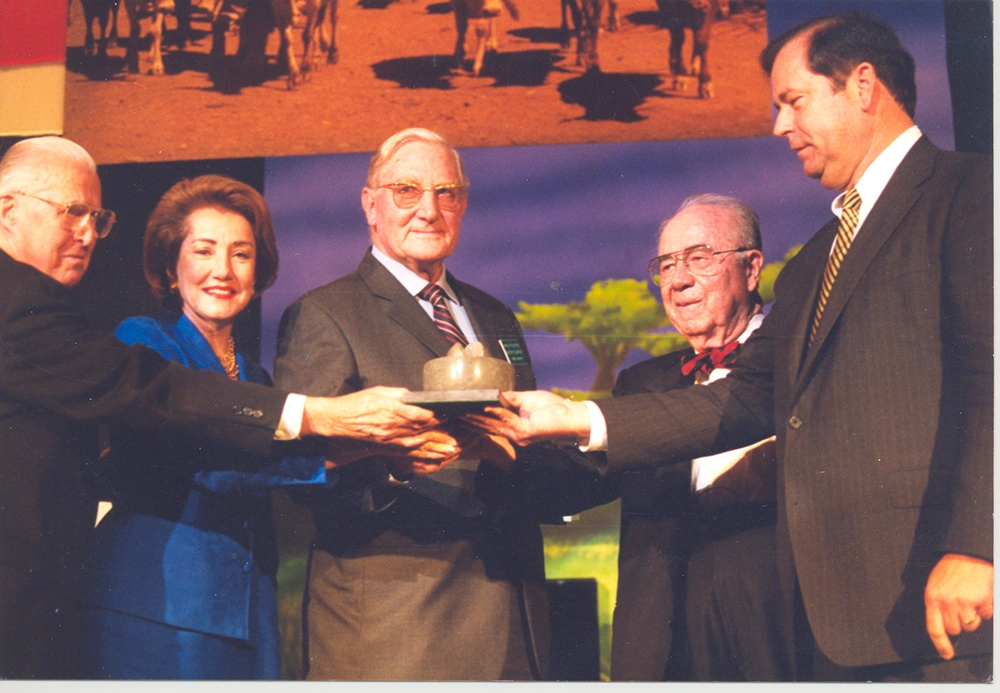
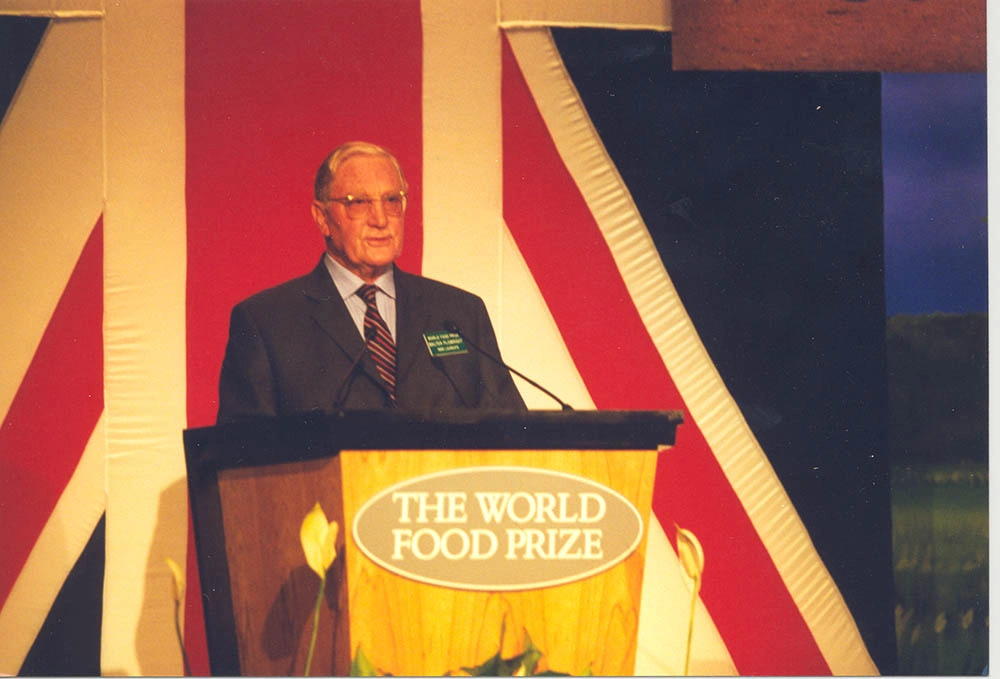
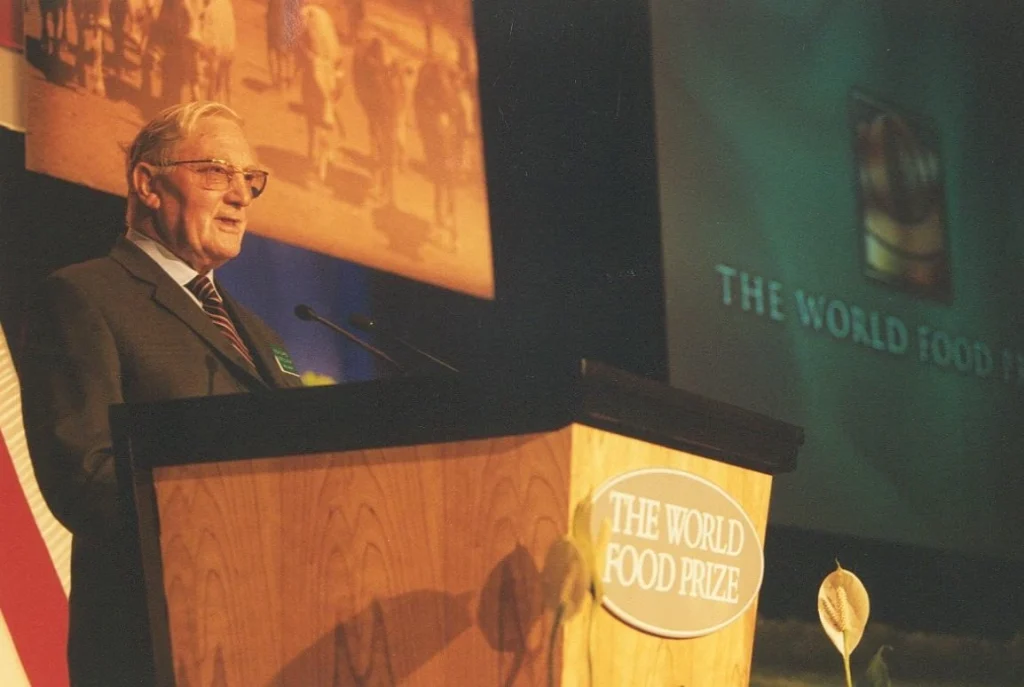
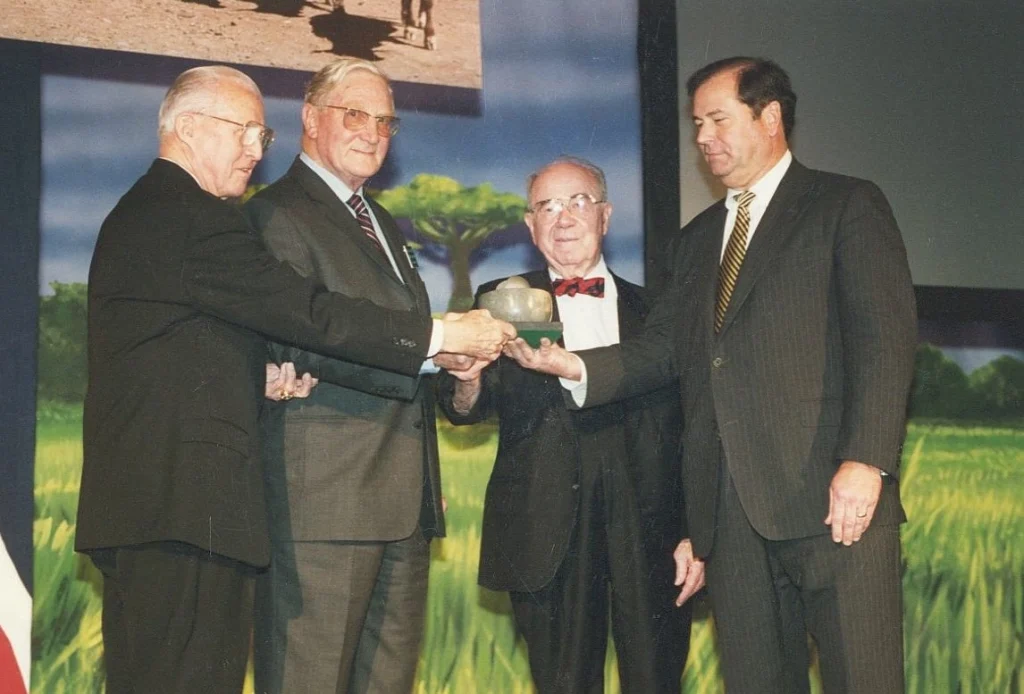
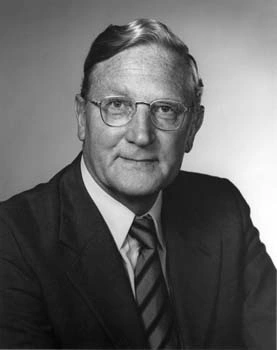
Dr. Walter Plowright recieved the 1999 World Food Prize for his development of tissue culture Rinderpest vaccine (TCRV), the key element in the quest to eliminate Rinderpest, or cattle plague, from farms and herds worldwide.
Rinderpest is a disease of cattle, buffaloes, some pigs, and numerous species of wild ungulates. The virus responsible has repeatedly caused tremendous havoc among livestock from at least the time of the decline of the Roman Empire, the losses frequently amounting to millions of animals annually..
Example Video Heading
lorem ipsum dolor sit amet consectetur adipiscing elit adipiscing laboris sed et voluptatum vel in mollit proident pariatur id molestias placeat excepturi proident ut similique et excepteur quod cillum proident atque id ad culpa qui qui officia praesentium facere excepteur ut imperdiet rerum velit sint exercitation ut non anim quos
The Work
2002, alarming reports confirmed that Southern Africa was rapidly descending into famine. The need for emergency aid was immediate and overwhelming, as millions faced severe food shortages and acute hunger. As officials deliberated, thousands perished—while life-saving food aid sat in ports. Bureaucratic hurdles and regulatory barriers had stalled delivery of food at the very moment it was most urgently required. African leaders voiced concerns about the safety of donated grain that may contain genetically modified crops, explaining that they did not want to accept modified crops until their countries had regulatory mechanisms in place to manage potential risks. Caught between urgency and uncertainty, critical shipments remained stranded as the crisis deepened.
At 60, Lelieveld already had an impactful, 40-year career as a food safety researcher, innovator and the founder and leader of several international professional associations. But rather than slowing down and retiring, he sprang into action upon witnessing the widespread confusion and challenges surrounding food safety—and the human suffering that resulted. He sought to prevent instances in which food deemed safe by scientific standards was rejected elsewhere due to inconsistent application of science-based regulatory processes.
If nations’ food safety regulations could be made to align with scientific evidence, it would remove obstacles to trade and aid by making regulatory processes across borders much easier and faster to navigate. Farmers and food processors would gain greater access to markets across borders. Increased trade of safe, nutritious and more affordable food would strengthen livelihoods, boost economies and create new opportunities to invest in innovation.
In 2004, Lelieveld founded the Global Harmonization Initiative (GHI) to build international consensus around the scientific foundations of food regulations and legislation, with the goal of ensuring the availability of safe and nutritious food for consumers everywhere. Over the past two decades, Lelieveld has grown GHI into a dynamic, science-driven platform that advances food safety and security through collaboration, establishing it as a uniquely influential force in the global food landscape.
Today, GHI unites more than 1,600 volunteers in 113 countries, including leading scientists, academics, policy experts and industry professionals. With volunteer ambassadors in 68 countries and 20 working groups, GHI has become an unparalleled movement for advancing science-based food safety policies worldwide. GHI working groups focus on diverse topics from nutrition to nanotechnology and microbiology to mycotoxins, conducting a rigorous review of scientific evidence and legal issues to develop a consensus position. GHI ambassadors bring working group recommendations to policymakers, promoting regulations grounded in sound science. These efforts reduce foodborne illness, dismantle trade and aid barriers, decrease food loss and waste, foster innovation and expand access to safe, nutritious food for millions of people around the world.Born in 1923 in Holbeach, Lincolnshire in England, Walter Plowright devoted his career to the study and eradication of the cattle plague rinderpest.
In developing countries, several vaccines of considerable efficacy were available from the 1930s, but they all had serious drawbacks – side effects included fever and diarrhea, the mortality rate of vaccination was around 5 percent, and producing and testing the vaccines was costly and time consuming. Rinderpest outbreaks throughout Africa and Asia could kill up to 90 percent of a region’s herds at a time, costing billions of dollars, devastating a key source of dietary protein, and resulting in lower food crop productivity as well.
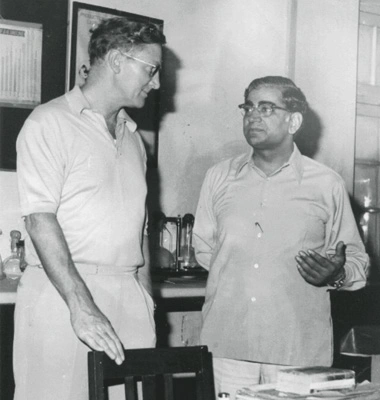
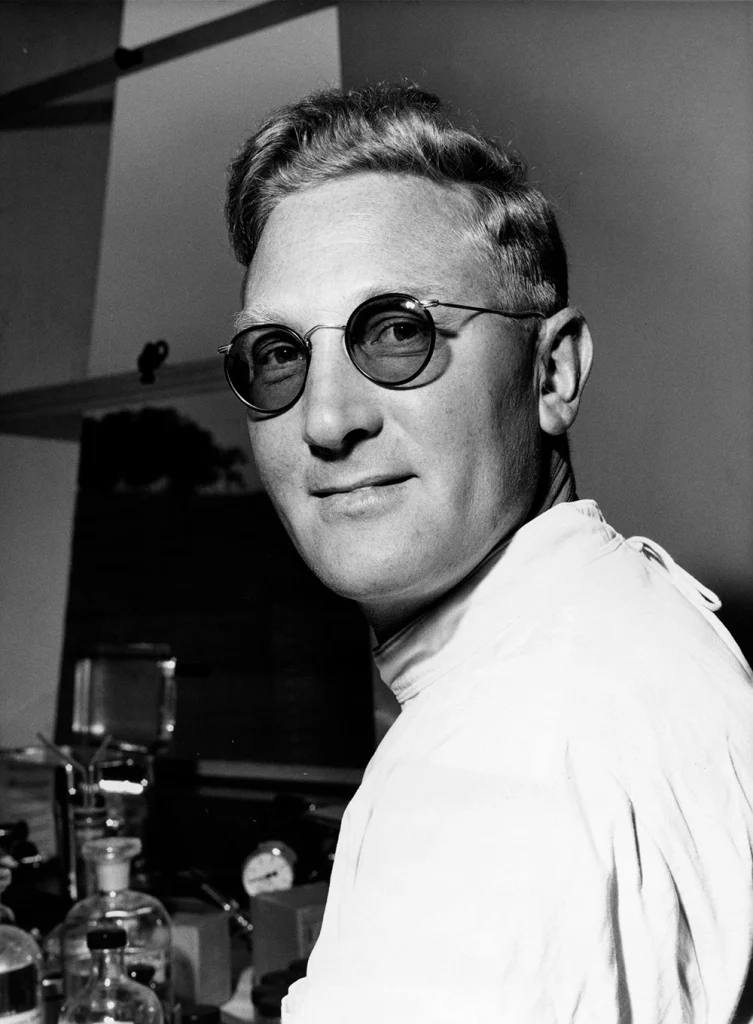
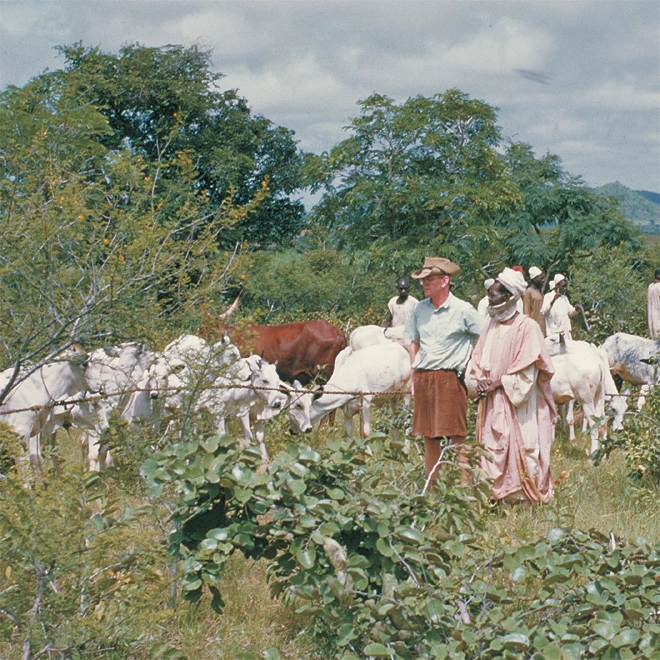
As a young veterinary pathologist, Dr. Plowright left his native Britain to carry out research in Kenya and Nigeria starting in 1950. The East African Veterinary Research Organization at Muguga in Kenya provided the base for Dr. Plowright and his colleagues to adopt the cell-culture techniques used to develop the polio vaccine to produce a live attenuated (non-pathogenic) virus for use as a rinderpest vaccine.
Unlike its predecessors, TCRV could be used safely in all types of cattle of any age or health status. It could be produced very economically and conferred lifelong immunity. Initial field use from 1956 to 1963 showed that the vaccine was genetically stable and produced no clinical side effects. After 1963, Dr. Plowright also assisted in developing large-scale production techniques and the optimal conditions for extensive application. Major schemes for rinderpest eradication could now be mounted by international agencies with markedly improved prospects of success. The research and application techniques that brought Dr. Plowright success in fighting rinderpest were later replicated by his colleagues to vaccinate against sheep pox and lumpy skin disease.
In 1964, Dr. Plowright returned to the United Kingdom to oversee animal disease research there until his 1983 retirement. He chaired the Royal Veterinary College’s microbiology and parasitology department from 1971 to 1978. In addition to rinderpest, Dr. Plowright has also significantly contributed to the study of such viral animal diseases as Africa swine fever, malignant catarrhal fever, poxviruses, and herpesviruses.
Thanks to Dr. Plowright’s breakthroughs, the United Nations reports that rinderpest is largely under control worldwide, with isolated pockets remaining in Somalia and Pakistan. The Food and Agriculture Organization expects the virus to be eradicated by 2010 at a cost of less than $3 million – largely due to the effectiveness and inexpensiveness of TCRV. The contribution to the world’s food supply has been staggering: statistics show that since vaccinations began in Africa, farmers and herders have seen over $45 billion in additional output. Over 70 million tons of meat and more than 1 billion tons of milk have been added to food production totals in the developing world. The increase in healthy cattle – integral throughout Asia and Africa for fertilizing soils, planting and cultivating crops, and carrying loads– has also boosted production rates on subsistence farms worldwide.
As the world’s population and demand for food and agricultural resources grow, the eradication of major animal plagues is crucial. Dr. Plowright’s contributions to developing and perfecting the vaccine for rinderpest have made its eradication, for the first time in human history, a practical objective. For this, he has been inducted into the Royal Society of London and received the Order of St. Michael and St. George. He has also received the International Office of Epizootics’ Gold Medal and the Animal Health Trust’s Outstanding Scientific Achievement Award.
John Ruan Sr., late Chairman of the World Food Prize Foundation, noted that “Dr. Plowright should be counted as one of the great heroes of the 20th century. His development of the rinderpest vaccine nearly 40 years ago has helped save countless lives, while ensuring that our global food supply remains abundant and safe for future generations.”