United states
1991 Laureate:
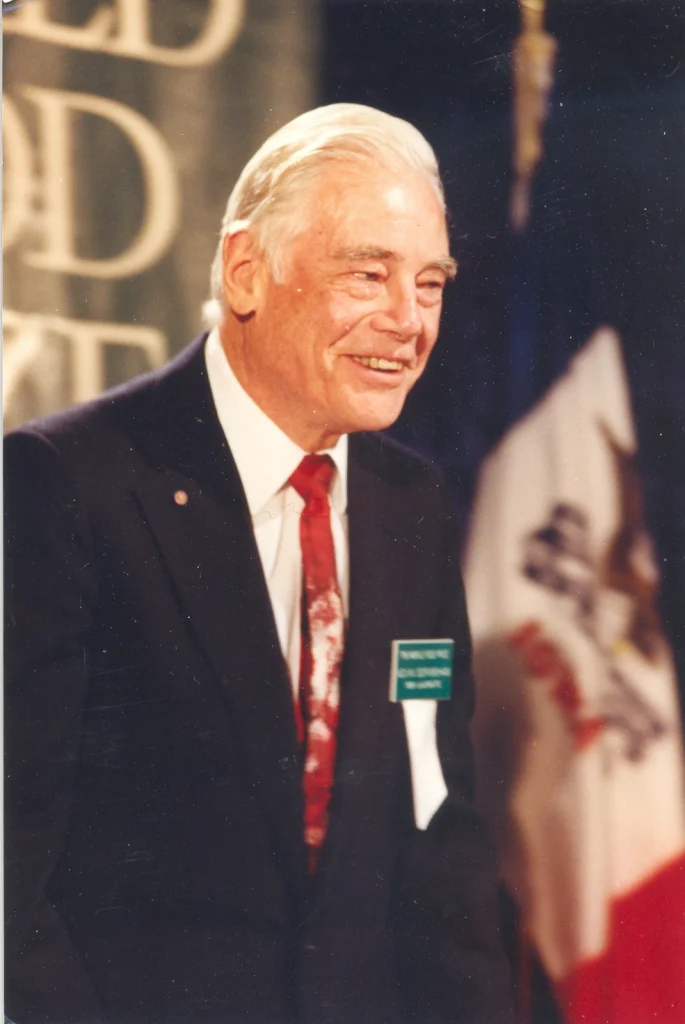
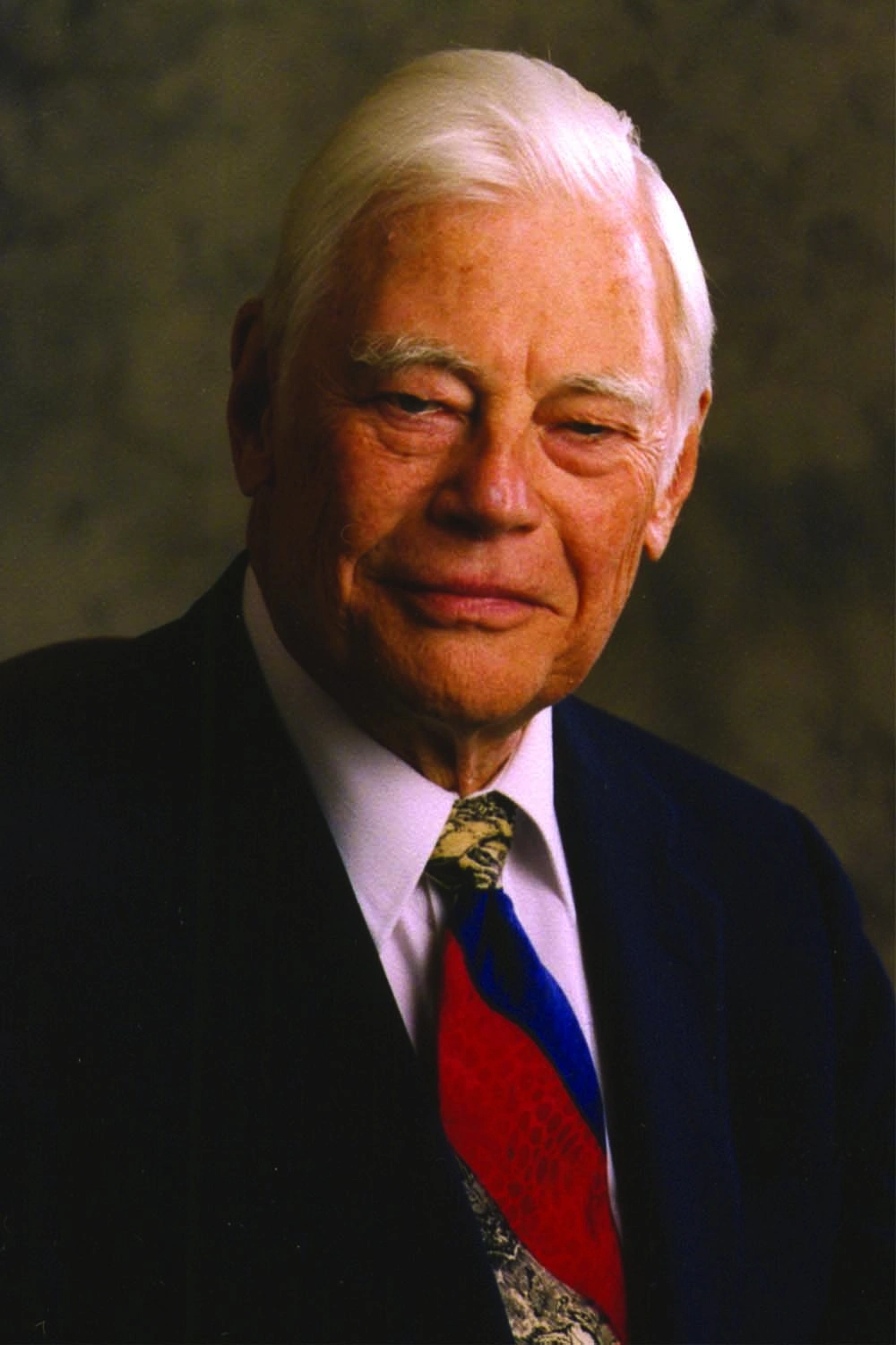
Dr. Nevin S. Scrimshaw
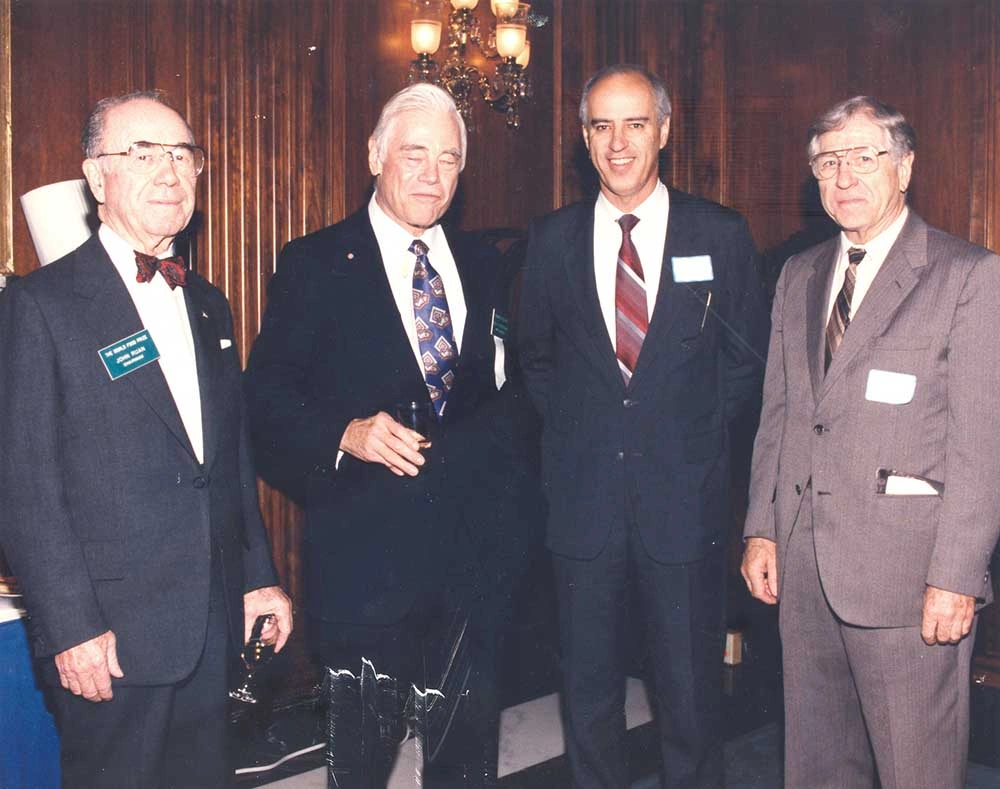
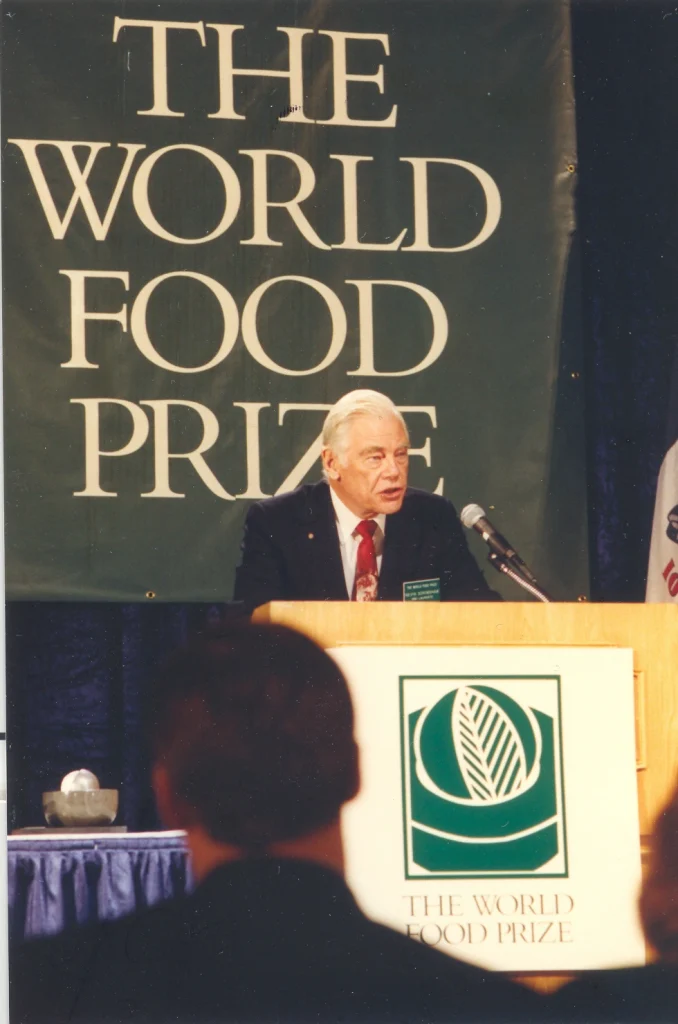
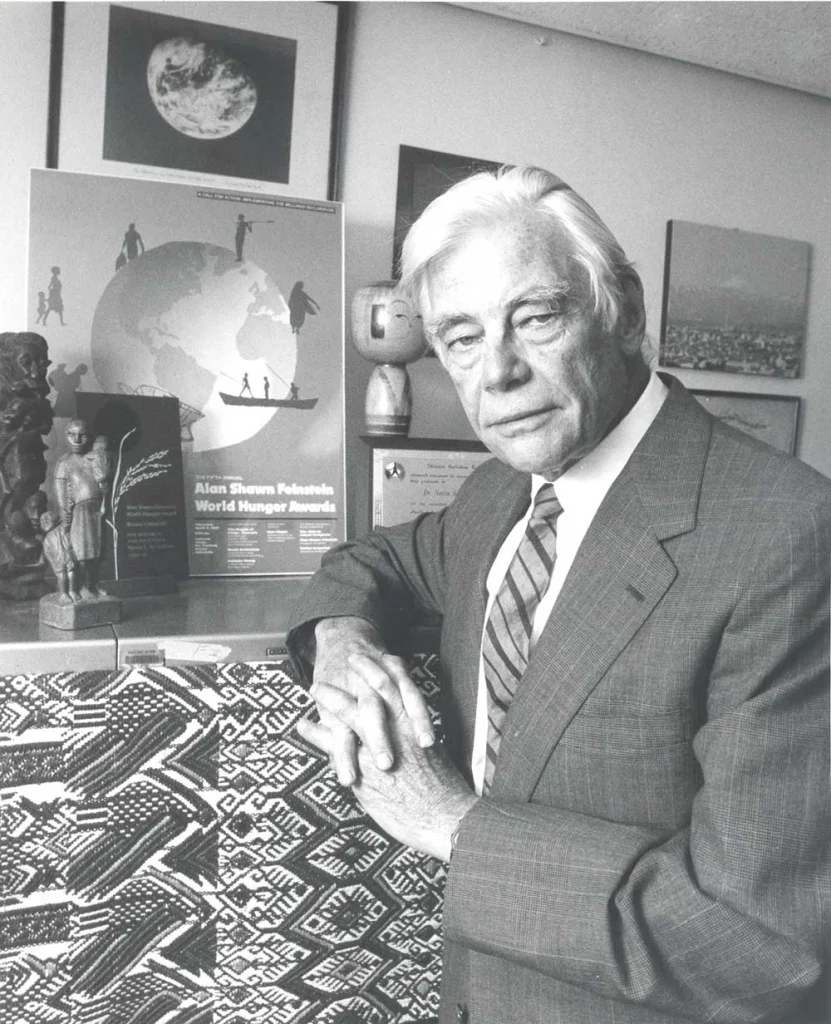
For a lifetime of action to alleviate malnutrition in developing nations, Dr. Nevin S. Scrimshaw received the 1991 World Food Prize. His revolutionary accomplishments over six decades in fighting protein, iodine, and iron deficiencies, developing nutritional supplements, educating generations of experts, and building support for continued advances in food quality have made substantial improvements in the lives of millions throughout the world.
The Work
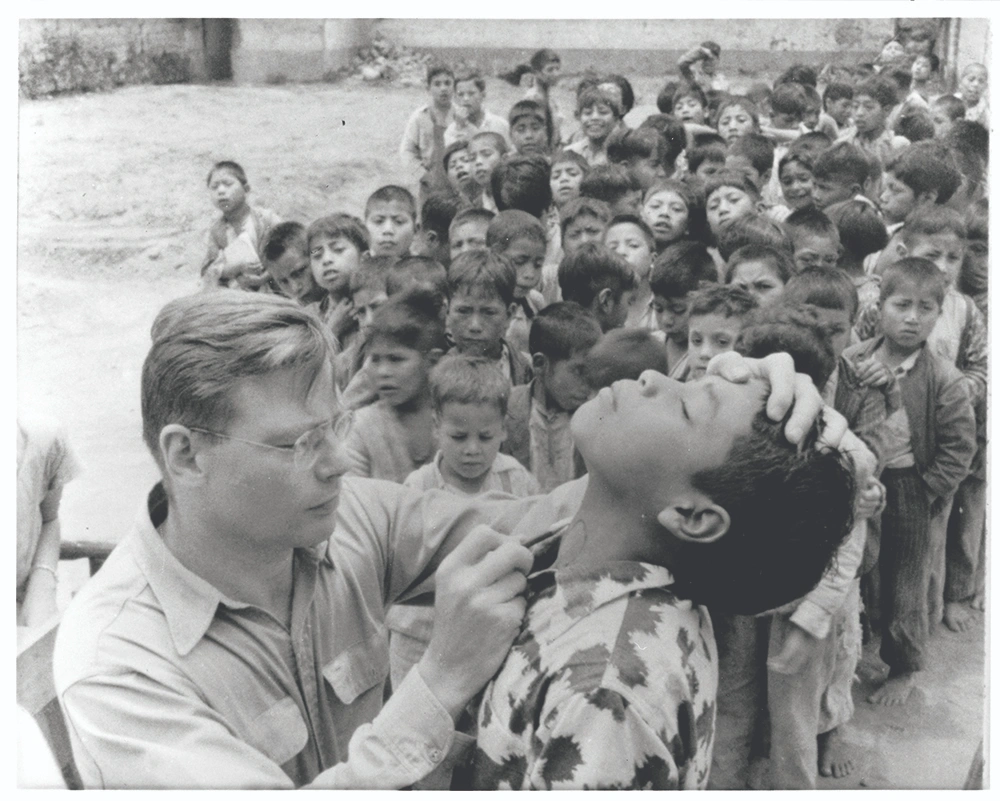
A Milwaukee native born in 1918, Dr. Scrimshaw earned a doctorate in physiology from Harvard in 1941 and a medical degree from the University of Rochester four years later. His contributions to human nutrition began during his medical training with his studies of nutrition and pregnancy in Panama and Rochester, New York. In recognition of this work, Dr. Scrimshaw was asked to establish the Institute of Nutrition of Central American and Panama (INCAP) in Guatemala. As founding director from 1949 to 1961, he led the development of this institution from an initial membership of three countries and no staff with advanced training to a leader in the prevention of nutritional deficiencies. For 30 years the Institute remained a major center for nutrition and food science research, training, and application in Latin America and the developing world.
In the 1950s, Dr. Scrimshaw worked on the prevention of kwashiorkor, a deadly disease afflicting young children lacking adequate protein in their diet. Characterized by apathy, anorexia, swelling, blackening of the skin, and hair loss, kwashiorkor affected children throughout Latin America, Africa, and Asia. Typically, untreated children would die of the disease within weeks of diagnosis. Realizing from studies at INCAP and elsewhere that the protein deficiency developed when breast milk was no longer the sole source of food, Dr. Scrimshaw searched for an alternative protein source available to poor Central American families. At the time, the cost of one protein-rich egg or a glass of milk was equivalent to that of a meal for an entire family.
Dr. Scrimshaw led the development of INCAPARINA, a fortified mixture of local cotton-seed flour and lime-treated maize, which could be purchased at one-fifth the cost of milk. Today, INCAPARINA is given to 80 percent of Guatemalan children in their first year of life to combat protein deficiency. During the 1967 famine in India, Dr. Scrimshaw guided the development of a similar food, BALAHAR, from peanut and wheat flours. His principle of basing nutrition programs in locally produced, lower-cost foods to ensure the prevention of malnutrition has been reproduced in many developing countries.
While at INCAP, Dr. Scrimshaw also focused on endemic goiter, a result of iodine deficiency. Characterized by a swelling of the thyroid gland, it can lead to mental retardation, deafness, and dwarfism in children born to deficient mothers. He found that the European and North American technique of iodizing salt with water-soluble potassium iodide was not applicable to developing countries where salt is a crude product often sold moist on a palm leaf.
Dr. Scrimshaw learned of an insoluble compound of iodine, potassium iodate, that might be used for iodizing crude moist salt if its iodine was biologically available. Trials among school children in Guatemala and El Salvador, for whom goiter prevalence was approximately 60 percent, demonstrated that iodine was equally available and effective from either compound. Other studies showed that the iodine in potassium iodate enriched salt remained available. no matter how it was marketed. These results prompted Dr. Scrimshaw and his staff to work with governments of the region to require iodation of all salt for human consumption. At the time salt iodation was introduced in Guatemala, national prevalence of endemic goiter was 38 percent. Within two years, it had dropped to 14 percent, and by the third year levels had fallen to virtually zero. Since then, this intervention has eliminated or diminished iodine deficiency as a public health problem in most developing countries.
His seminal observations on the interactions of nutrition and infection led to his influential WHO monograph with this title. In the 1960s, Dr. Scrimshaw was instrumental in developing broad American support for high-priority research on nutrition problems in Southeast Asia and the Indian subcontinent. Visiting camps in India in 1971 in which 15 million persons had sought refuge from the civil war in Bangladesh, he was appalled by the high mortality among infants and young children. To counter it, he helped UNICEF obtain approval for the distribution of a special weaning food that saved the lives of many children.
He was equally accomplished as an educator. In 1961, two years after earning a Harvard M.P.H. degree, Dr. Scrimshaw established the new Department of Nutrition and Food Science at Massachusetts Institute of Technology. He initiated research in 1981 on the functional consequences of iron deficiency, particularly impaired cognition, a field of study that continues to occupy him as coordinator of the Iron Deficiency Project Advisory Service (IDPAS), sponsored by the International Nutrition Foundation , which Dr. Scrimshaw founded in 1982 and led until 2009.While at MIT he convened international meetings on “Nutrition, Learning and Behavior” and “Single Cell Protein for Human Consumption” that became major areas of research applicable to developing countries. He also developed an outstanding International Food and Nutrition Program at MIT. In 1975, Dr. Scrimshaw initiated and for two decades directed the World Hunger Program of the United Nations University, and its successor, the Food, Nutrition Program for Human and Social Development. He continued to advise the program and edit its publications for many years.
He was an Institute Professor Emeritus at MIT and a Visiting Professor at Tufts University. More than 500 food and nutrition scientists from developing countries were educated and trained in programs created by Dr. Scrimshaw, helping the poorest areas of the world identify and meet their most pressing nutritional personnel needs. At the age of 84, he received a $5 million five-year foundation grant to continue the type of fellowship opportunities to which his life has been devoted
Dr. Scrimshaw wrote or edited more than 20 books and monographs and more than 650 articles on clinical nutrition, nutrition and infection, agricultural and food chemistry, food and nutrition policy, and public health nutrition. He received over 40 honorary degrees, honorary professorships and awards of merit and recognition from all over the world.